Andreas Paepcke

August, 2024

The rancher couple in Lusk bought and sold their cattle in Torrington, WY. I've always wanted to see a true American livestock auction. Finding one was one goal of this trip.

Harrison, Nebraska

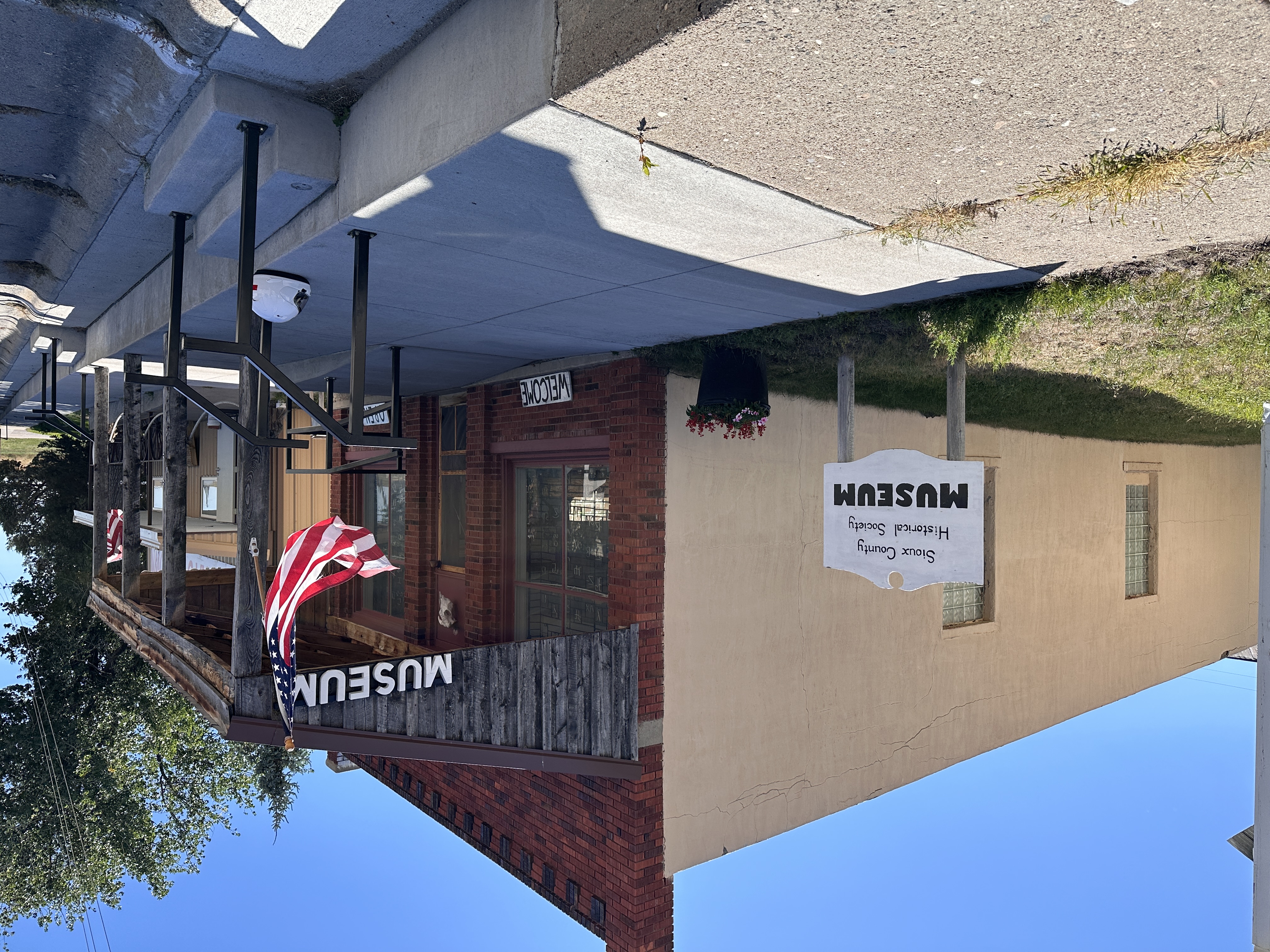
Avoiding freeways and large county arteries, I went for riding East to Harrison, Nebraska. Its population of 239 makes it sound small. But it does have a museum, tended by a volunteer.
Town of 239, and yet...
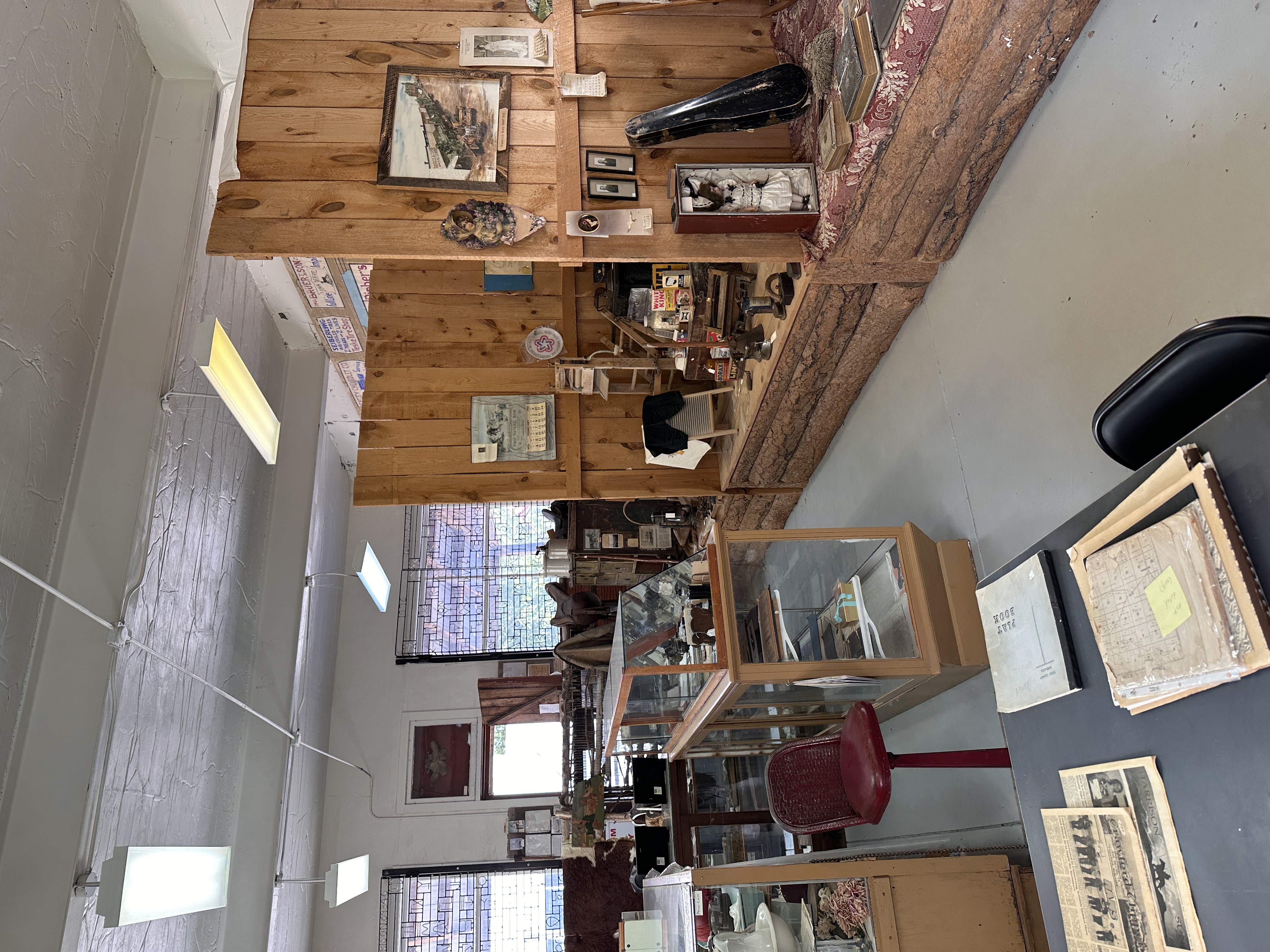
Even if items
are familiar,
the smell is great
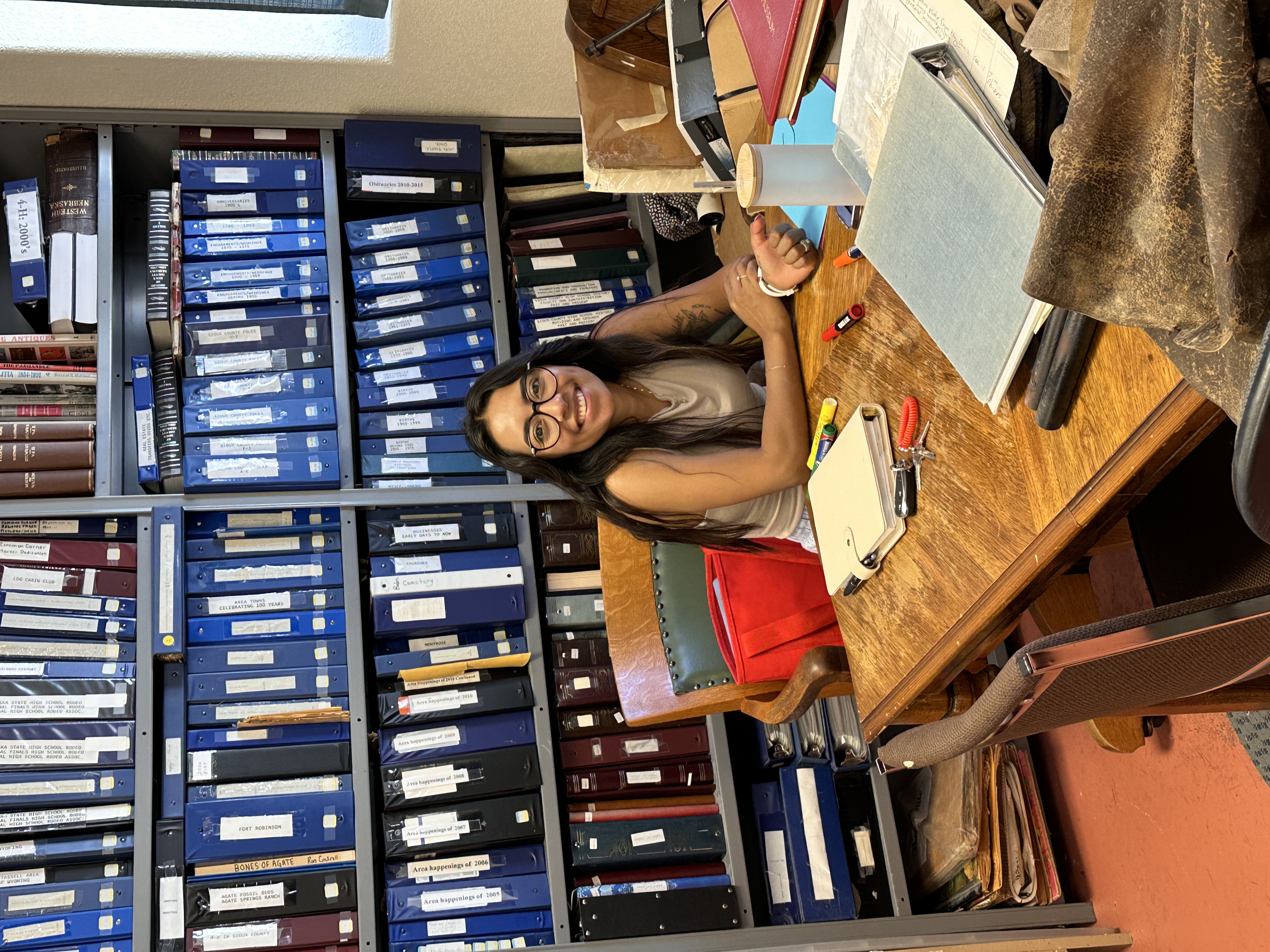
My local expert


She grew up in Boulder, Colorado, and was 14 when her parents transplanted the family to Harrison. She came to life when I asked how she felt about this move.

I Hated it!

She went from a High School of significant size to a class of four. Why did her father move them? Jobs fixing fences. Her husband is a program manager for ACE Hardware, and travels a lot. She has two kids, and now likes the quiet life style. This would not work for me.

You would think that I'd find nothing new in these rural museums. And yes, there is a lot of overlap. But:
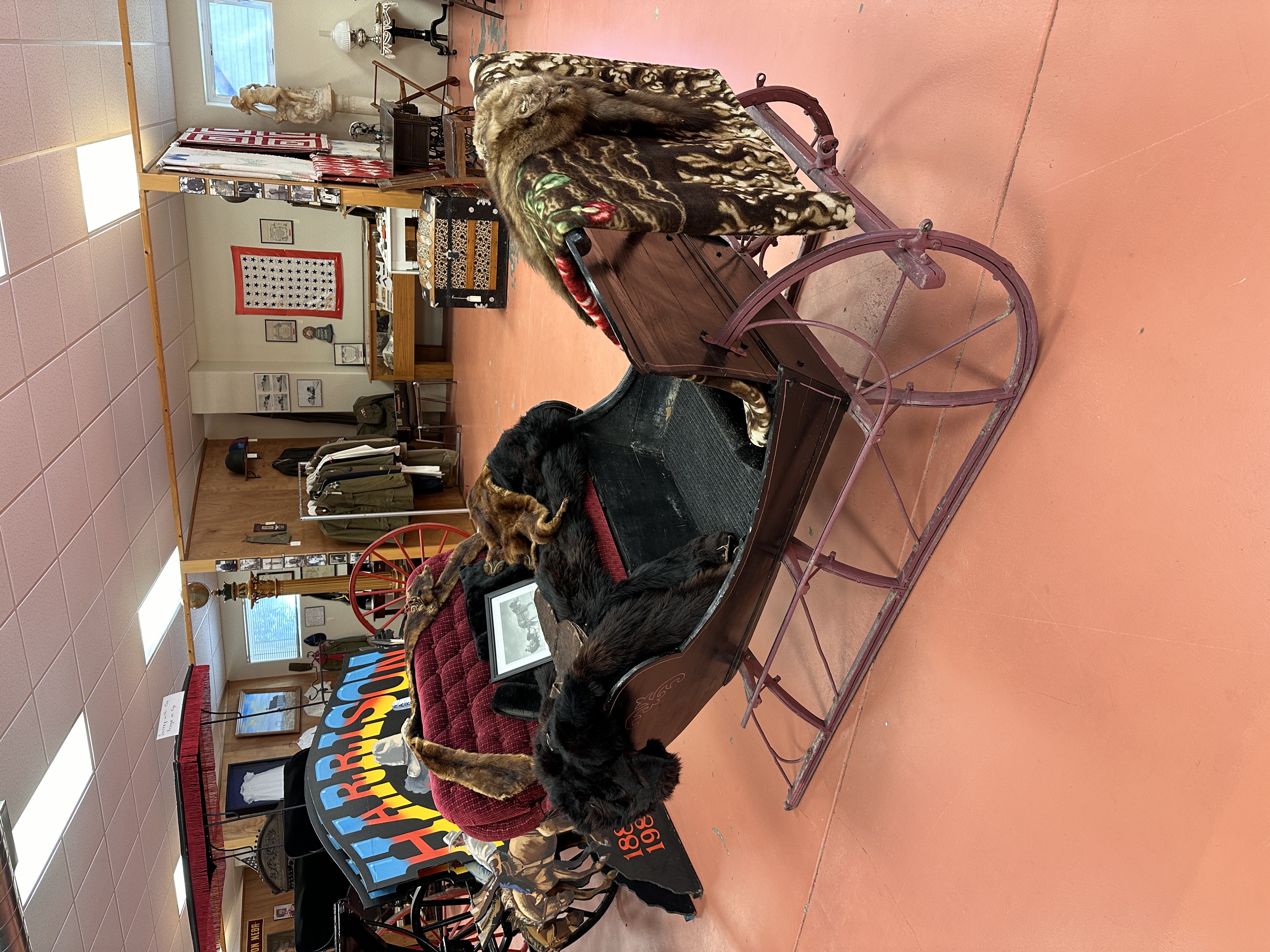
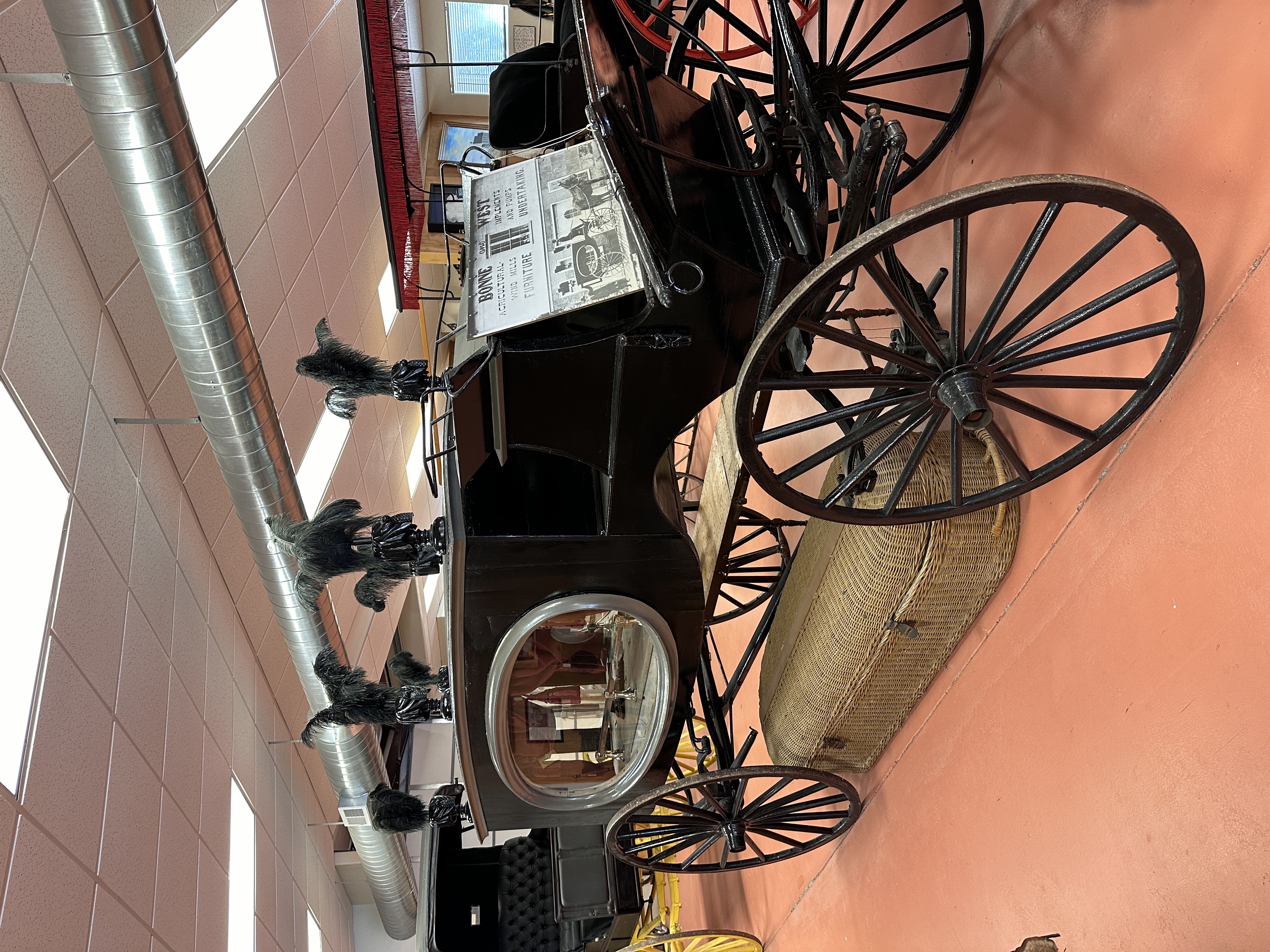
Still finding
new stuff
Going in style

Even when the exhibited items are common, the smell of these little places is wonderful. A bit musky, with a hint of leather. Like a well aged wine.

Along the Road

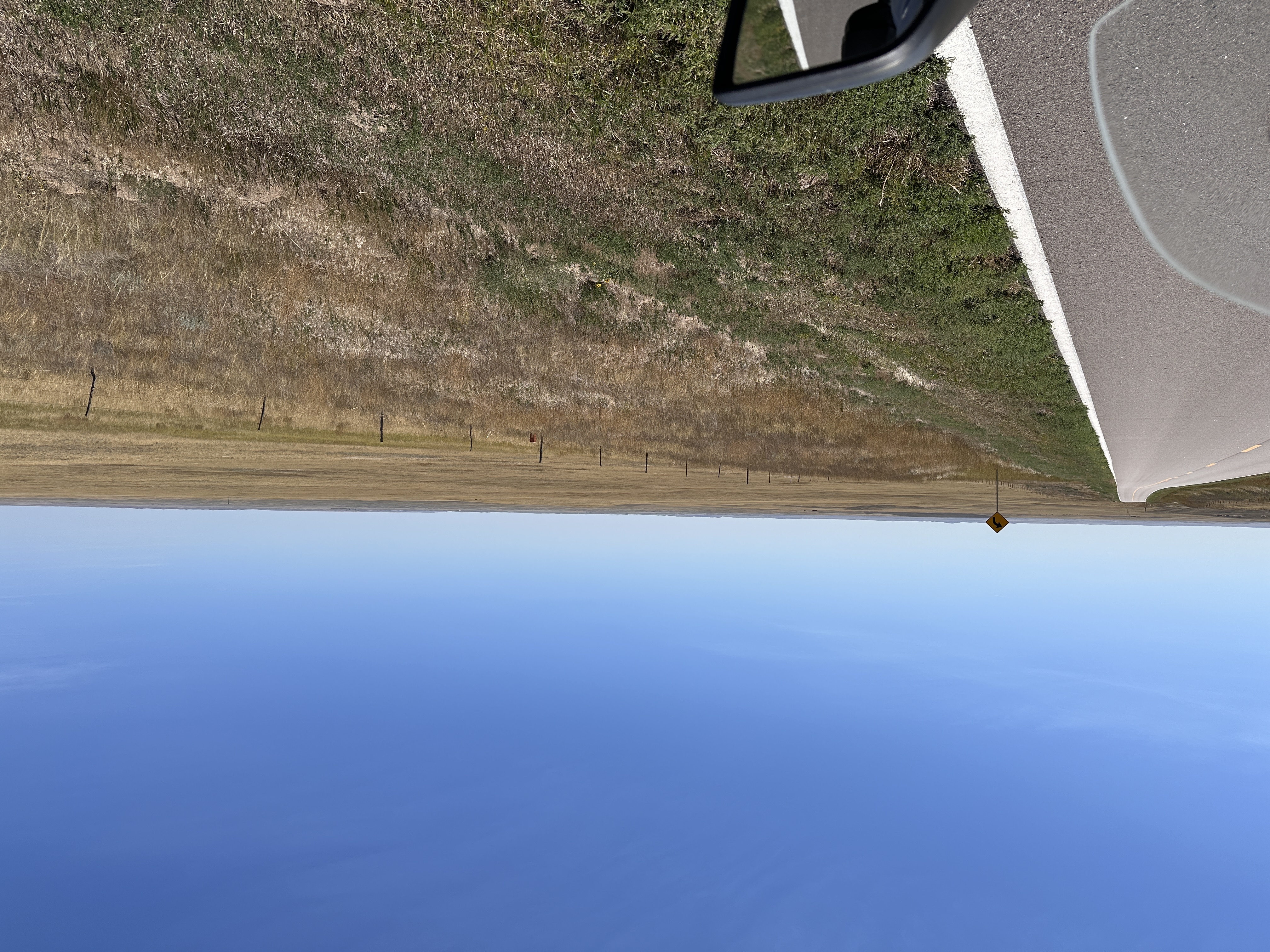
South we ride though a landscape that seems as endless as all the West country novels proclaim. No agriculture here, though. A very different color and surface texture than most of South Dakota. The spread out herds of black cattle spot the prairie grass. The land slides past, instilling a medidative state of mind.
No more agriculture
Wind and sand…
Winter is coming…
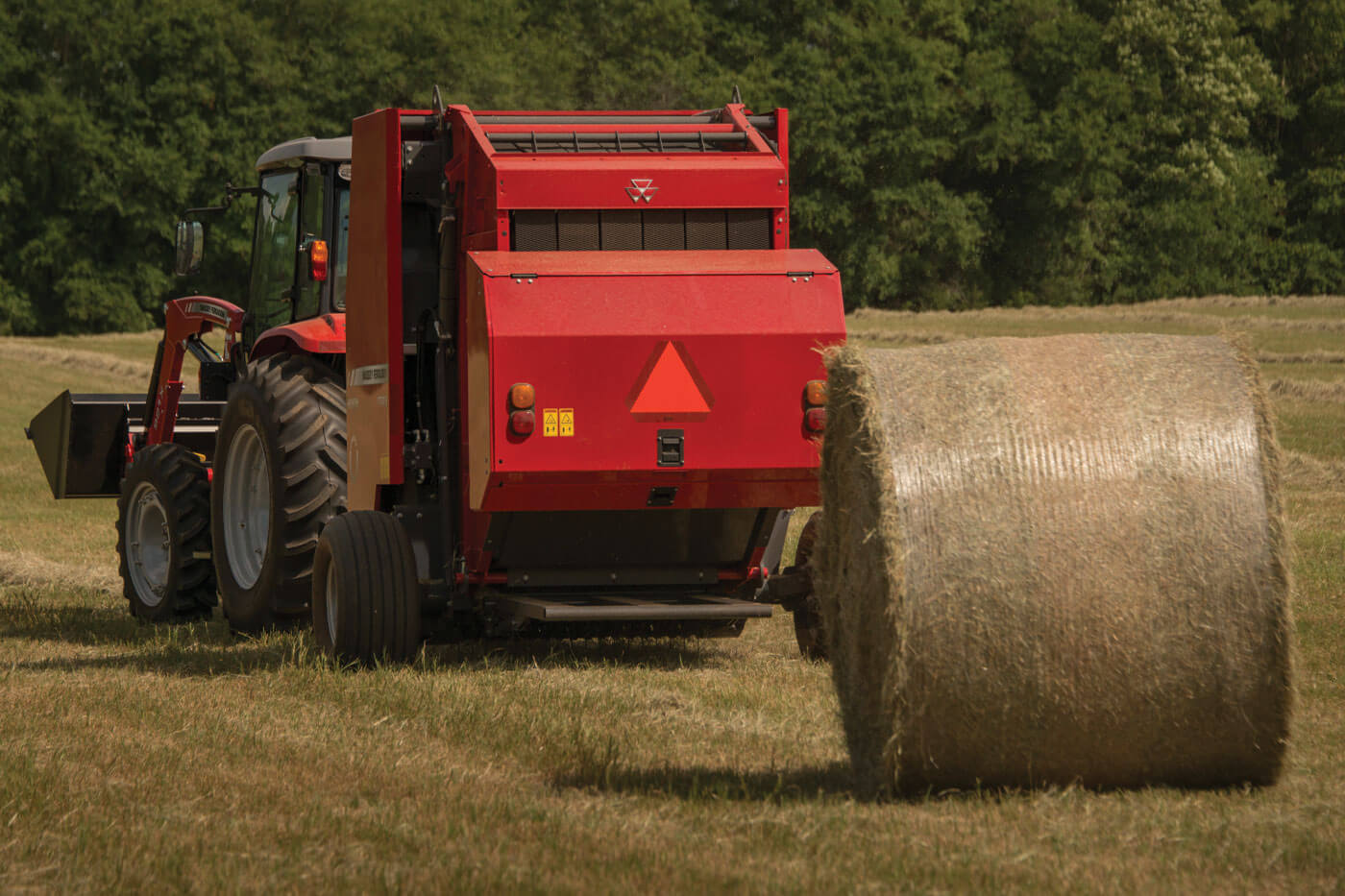
Automated rolling of hay
held with string
or wrapped in plastic.
A baler
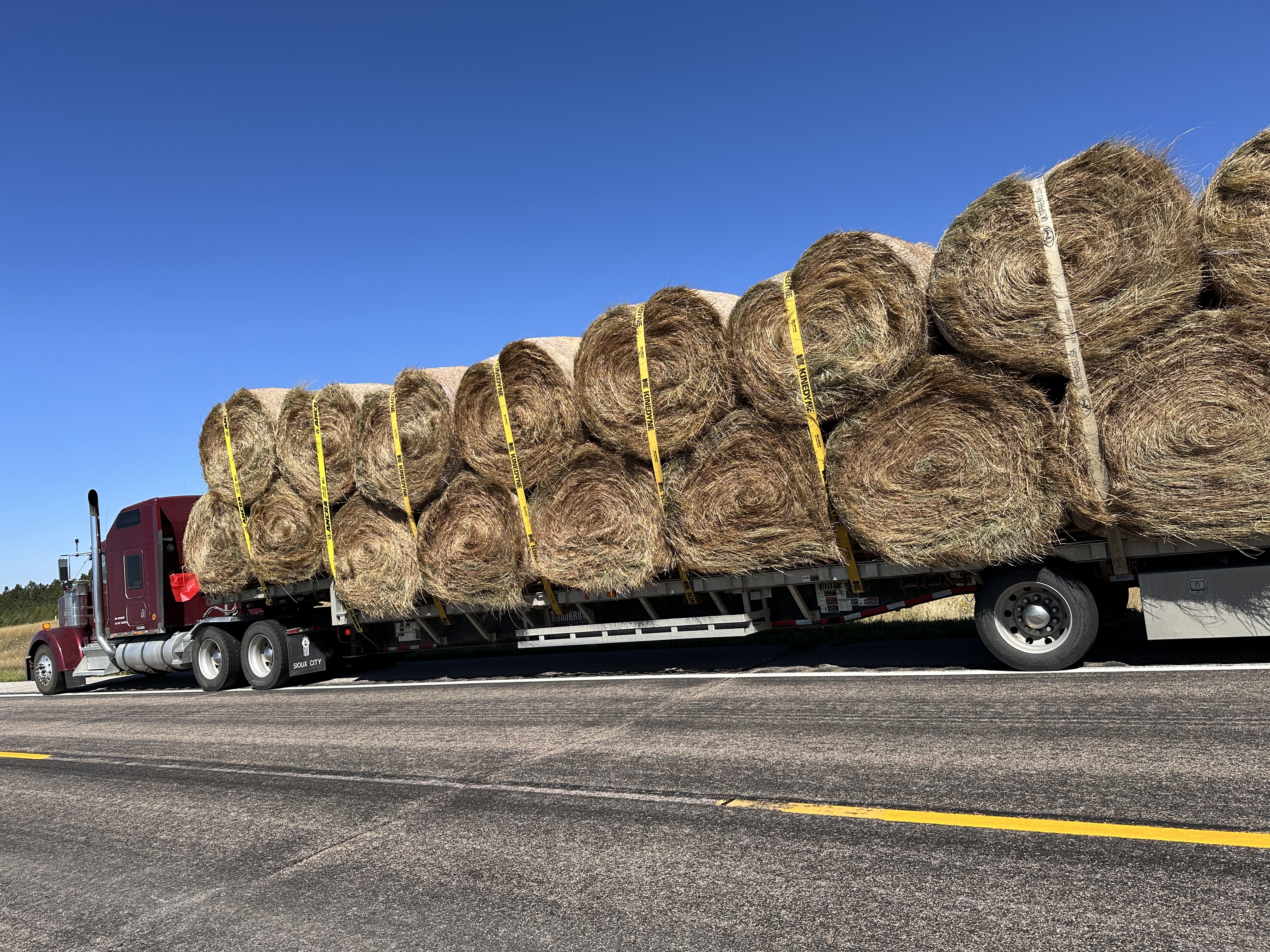
Where I am riding, no trucks pass, nor anyone else. But just outside Harrison these truckloads of winter feed were ready to set out. The fields in South Dakota, when not used for corn and vegetables, were littered at this time of year with these large drums. They are created from rows of cut and dried grass. A small wagon, a baler, runs over the rows and spits out the drums. Come Winter, these are needed to get the cattle through times when snow and ice cover the prairie.

The Livestock Auction

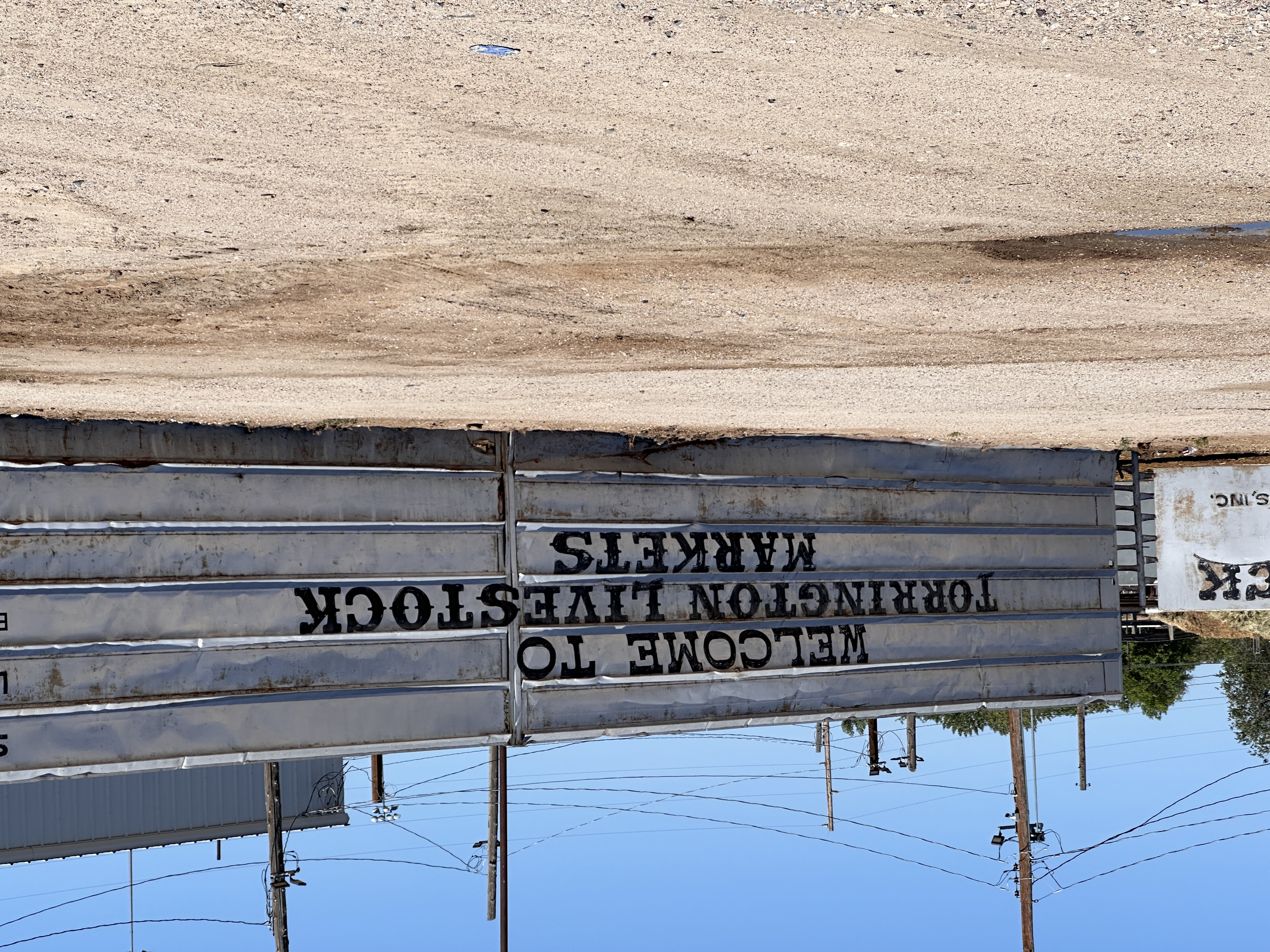
And finally I roll into Torrington, Wyoming for my livestock auction, the largest in Wyoming.
Wyoming's largest
livestock market
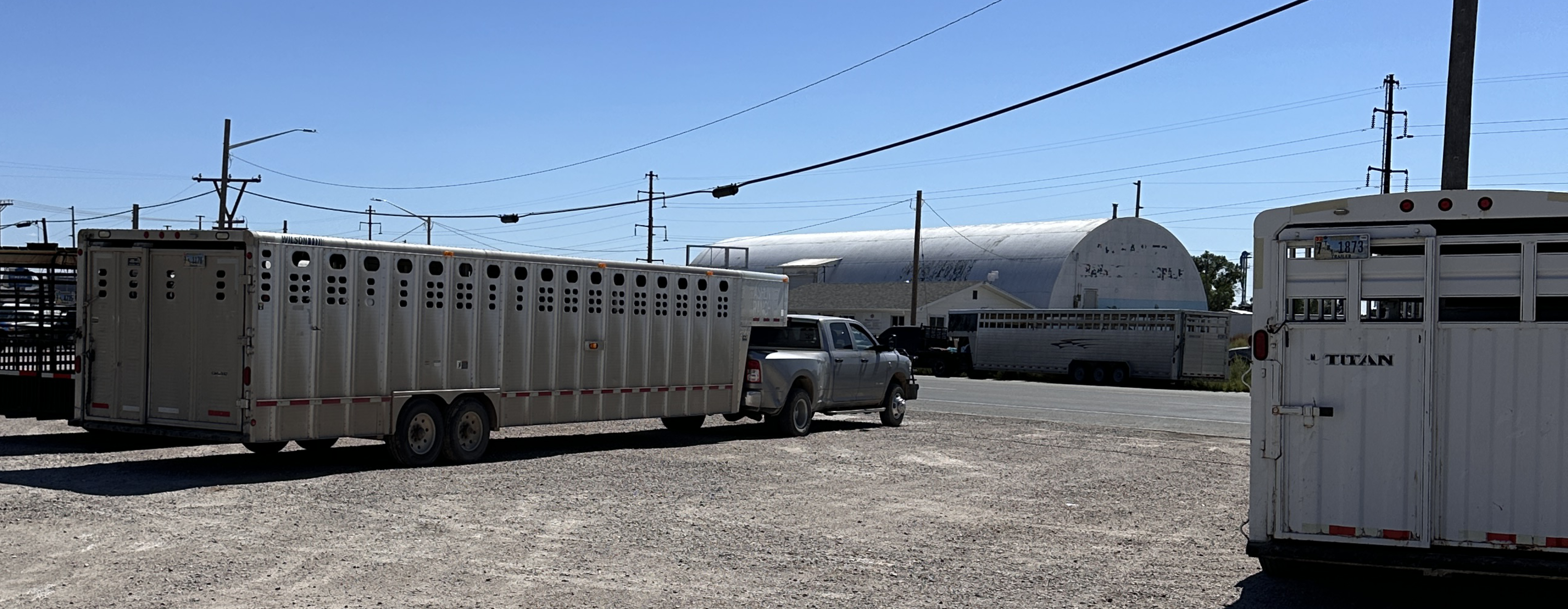
Bringing and taking
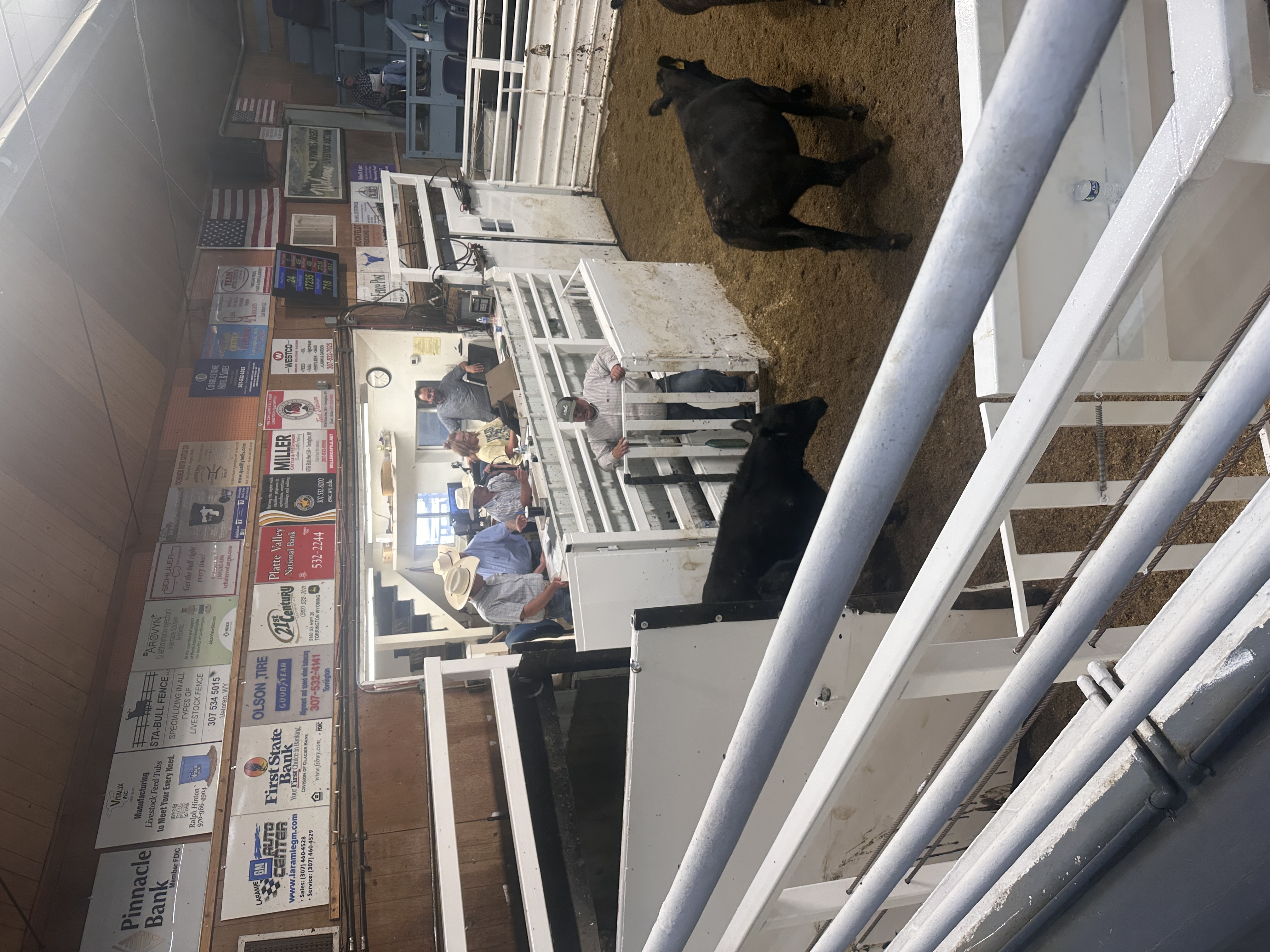
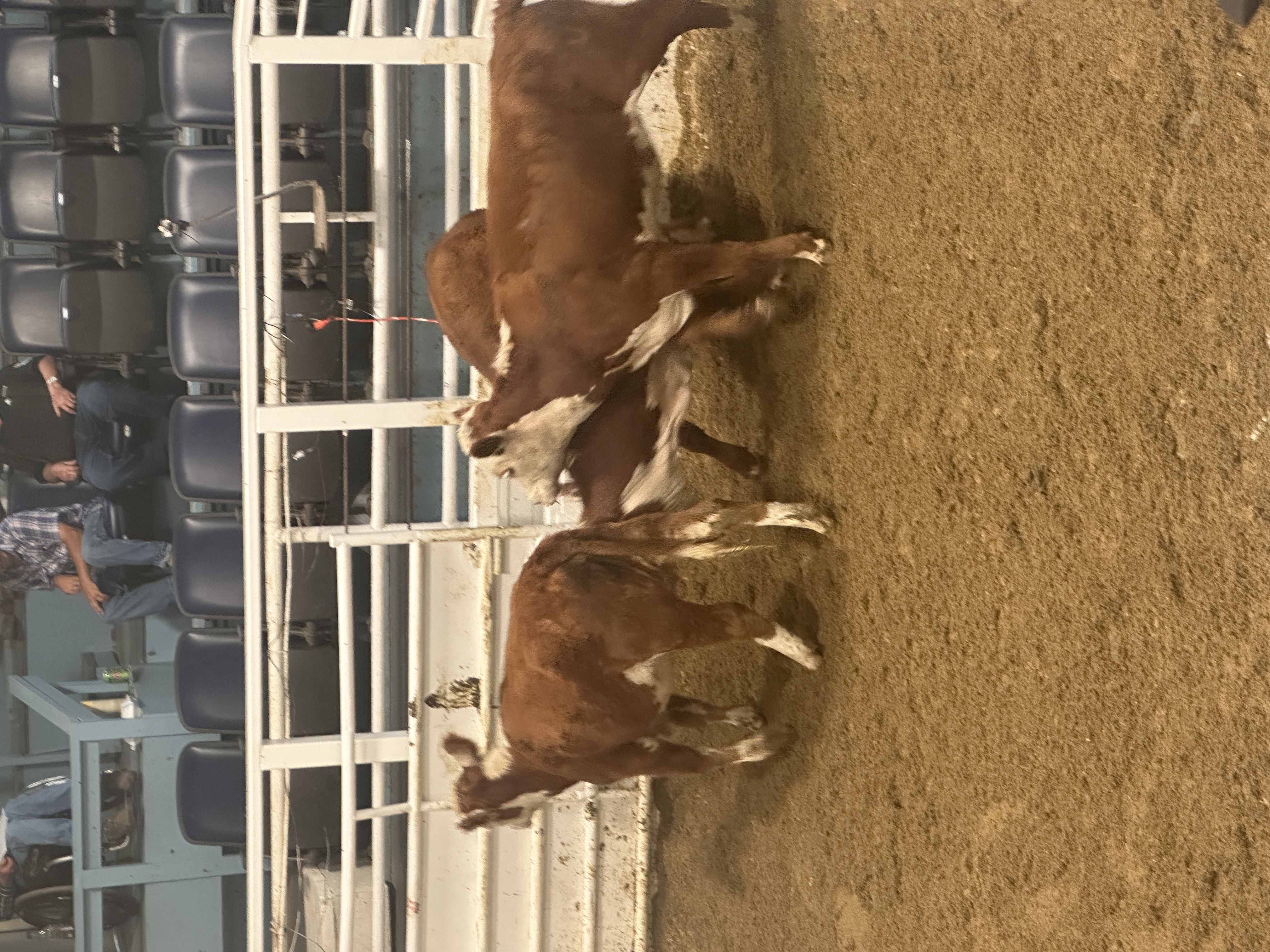
The railroad, which replaced the miles-long cattle drives, has been replaced by trucks. Small transports look like these trailers. Ranches bring their cattle to auction, and the animals are kept in pens behind the auction arena. Many hundreds are there today; all young females, or steers. Cattle hands need to keep track of which groups of 39, or 60, or 3 come from which farm. When the auctioneer calls up a lot, those cattle must be staged behind the gate on the left.
Cattle enter through
the left gate
and leave at the
far end
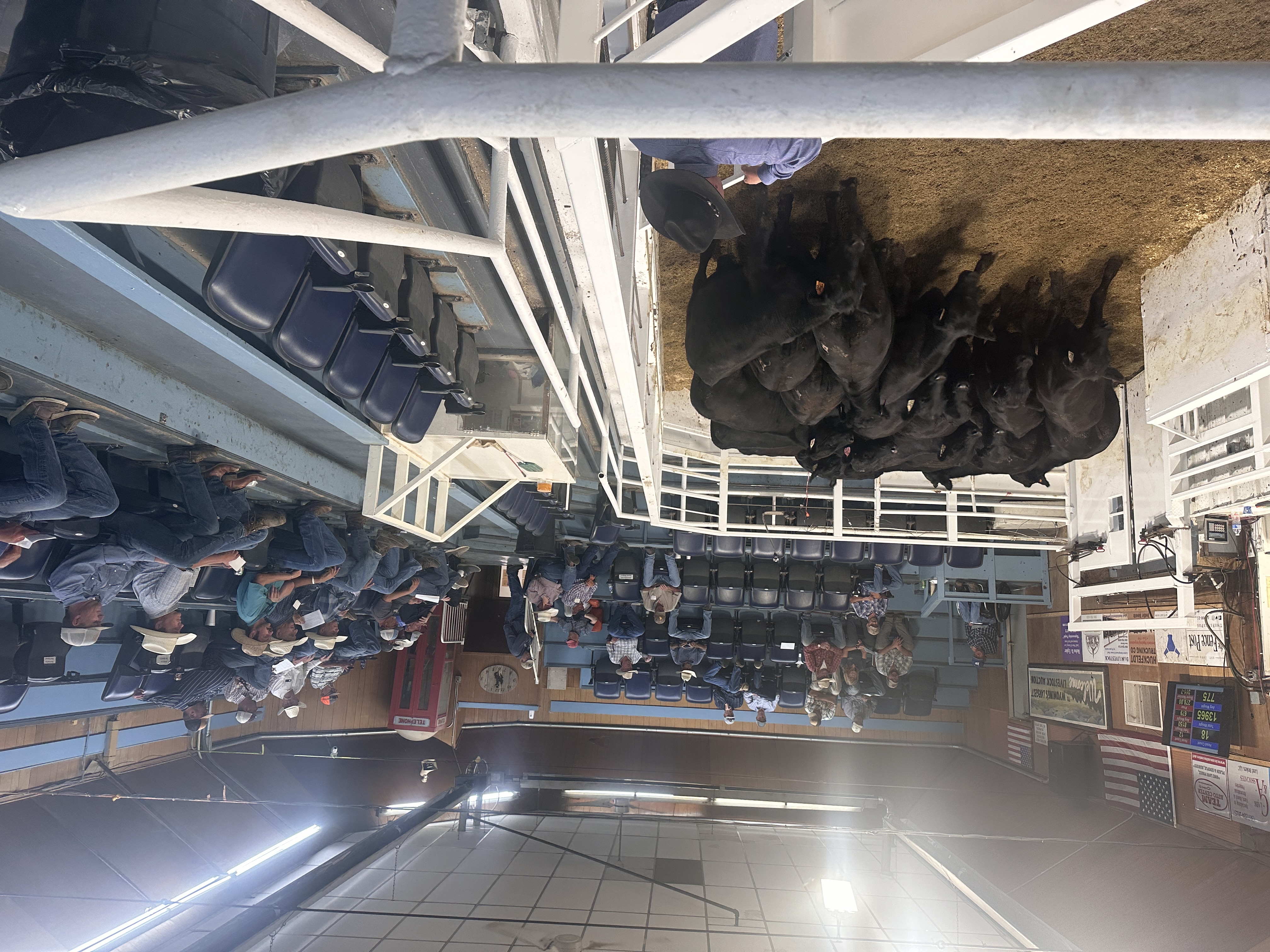
The auction barn
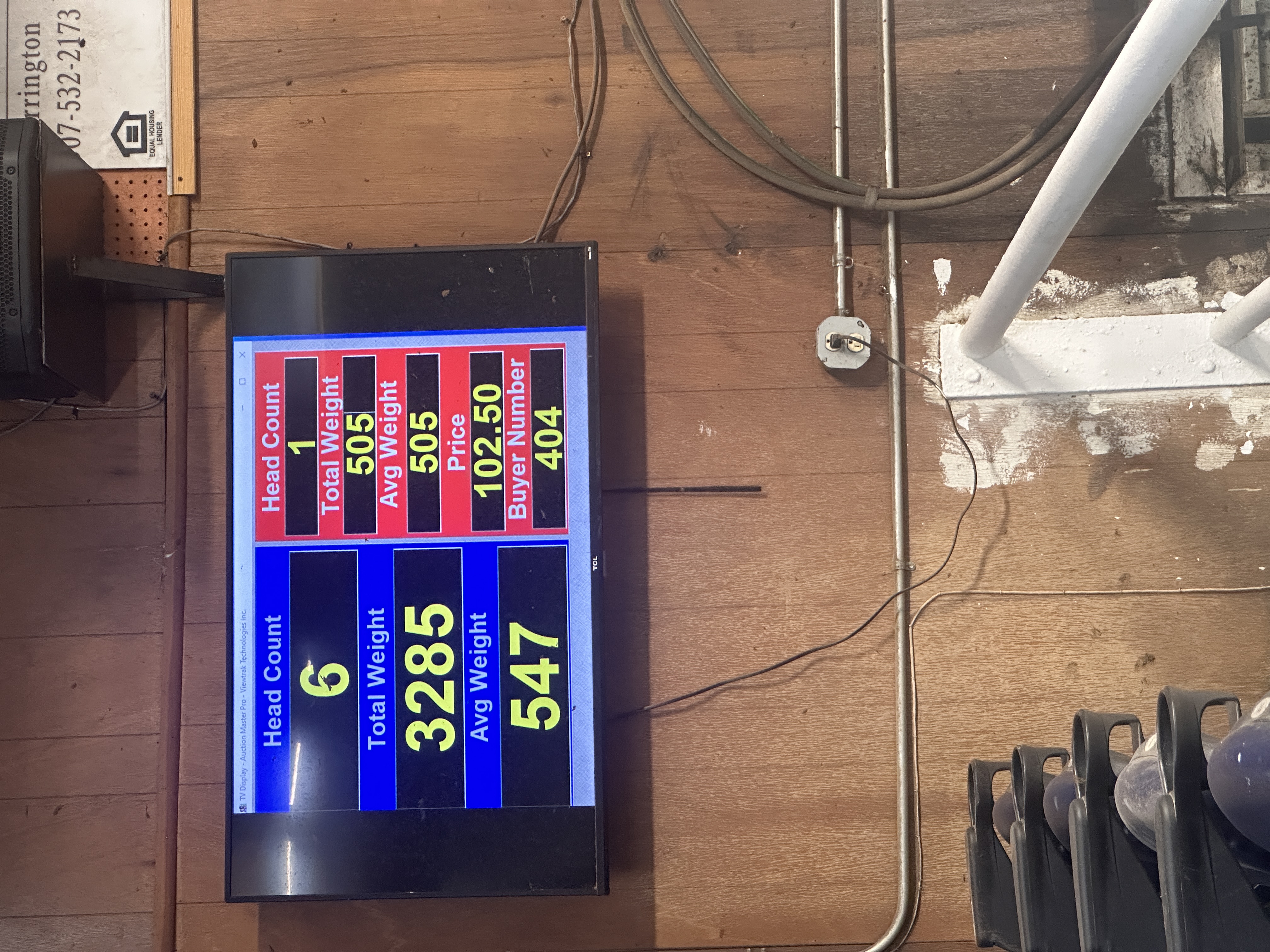
Current sale, and
sale just completed
The cattle enter, and two attendants encourage them with rattles to mill about. As the auction begins, the lot is made to leave through the far gate, and the next lot enters.

The sign on the left shows the current cattle on sale, and the one on the right shows the lot that was just auctioned. The audience can follow along on the schedule. The process unfolds without break. Occasionally auctioneers switch shifts. Their job seems daunting to me. Auction bids do not just occur in this hall, but also over the Internet. The auctioneer must merge these bid streams continuously, at speed, and without error. All while maintaining the singsong that drives the bidding forward.

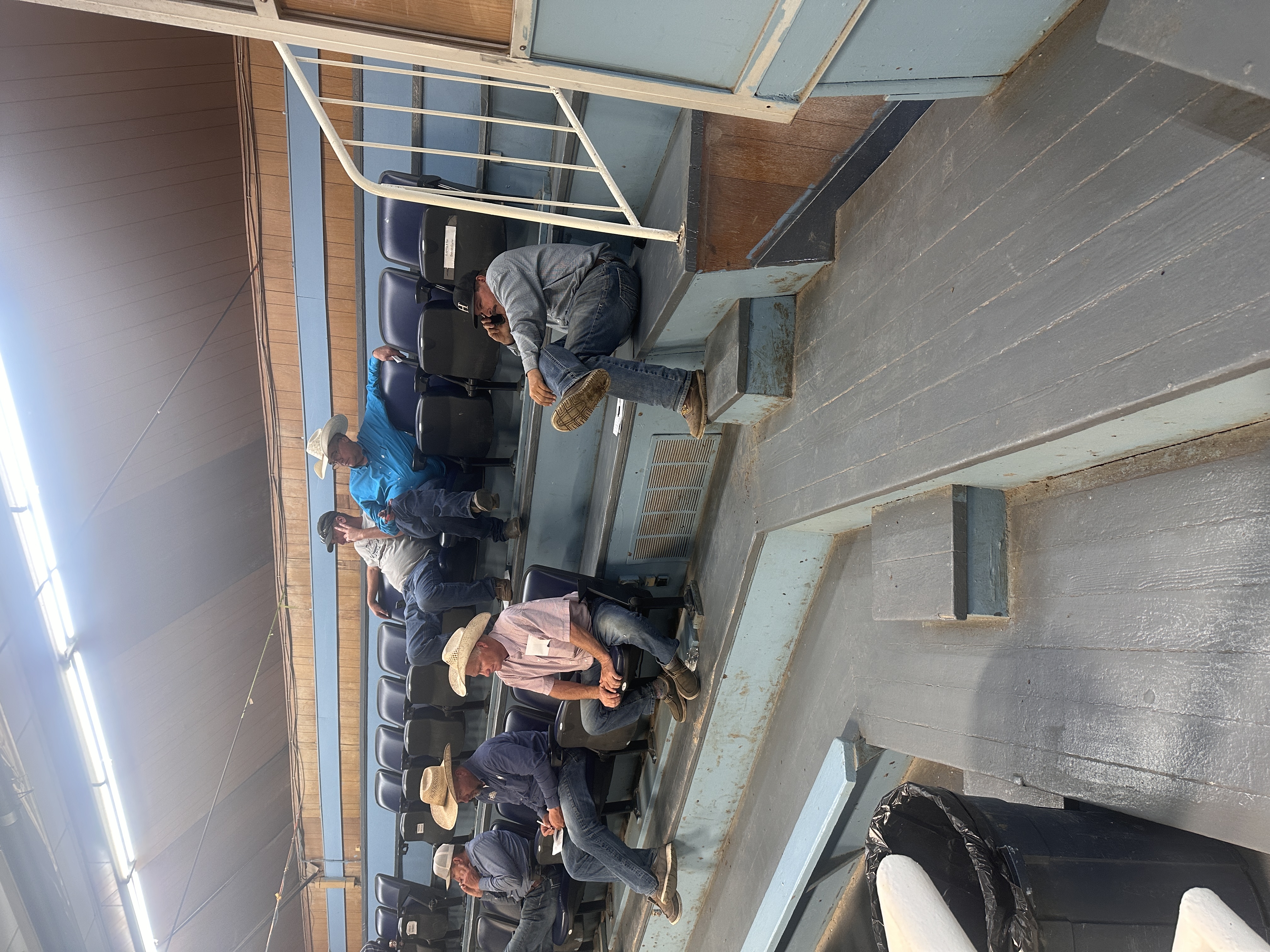
I spent a good hour in this auction barn, and could still not reliably tell who just bid the price up. Some raise their arm. But others make the minutest gestures, and the auctioneer must pick it up. For example, I watched this bidder in the turquoise shirt very closely. He is buyer number 311. But when he buys, it is under 'pseudonyms,' such as 311-19, pronounced three-eleven-on-nineteen. As far as I could tell, he is buying on behalf of different clients. That second number is the pen to which the bought cattle is to be added.

The buyer's name is Ned, and the auctioneer knows him, a regular. When bidding, Ned rests the wrist of his hand with the phone on one knee. When he bids, he does so with a slight upward flick of that wrist. Given we breadth of the arena, and the Internet feed, I am baffled as to how the auctioneer catches these gestures.
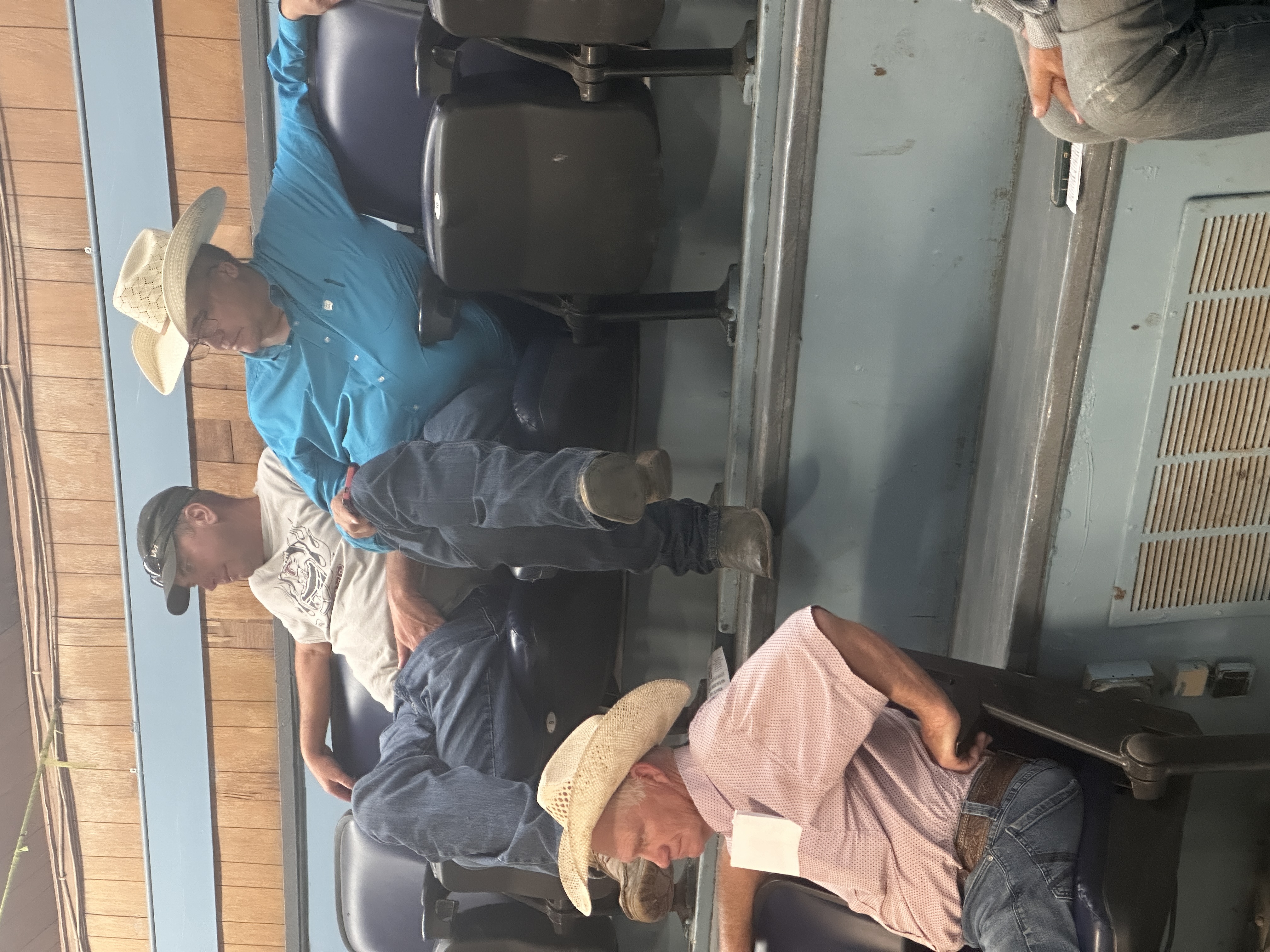
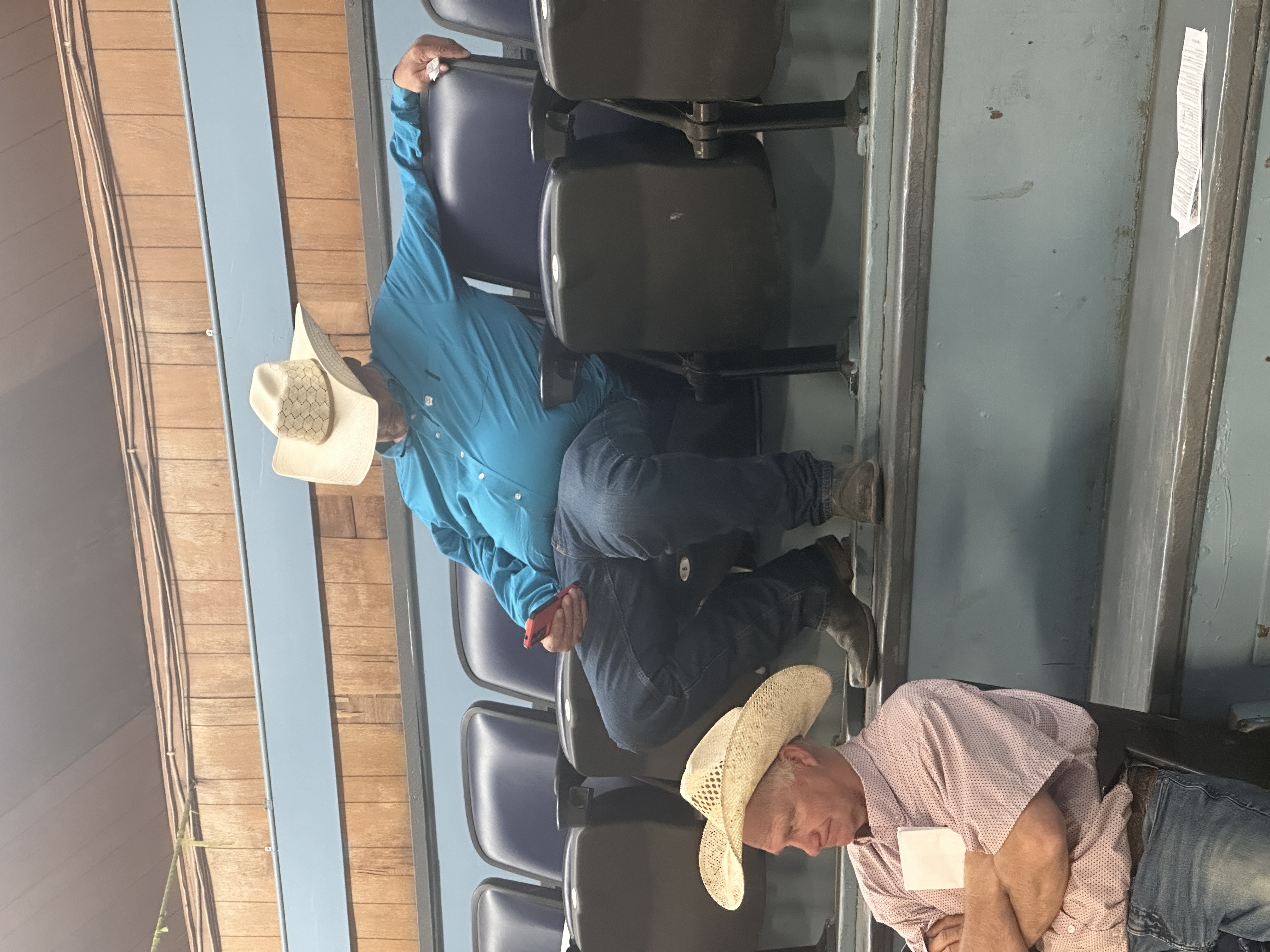
Ned is not bidding
Ned might be bidding
Ned is bidding

I made many recordings of two auctioneers. Here is one. At the end you hear who bought the lot: 276 on 14. The auctioneers do have different styles. Listening is mesmerizing. Unfortunately, I am one week early for experiencing a national champion auctioneer. But I try not to let that bad timing ruin my enjoyment.
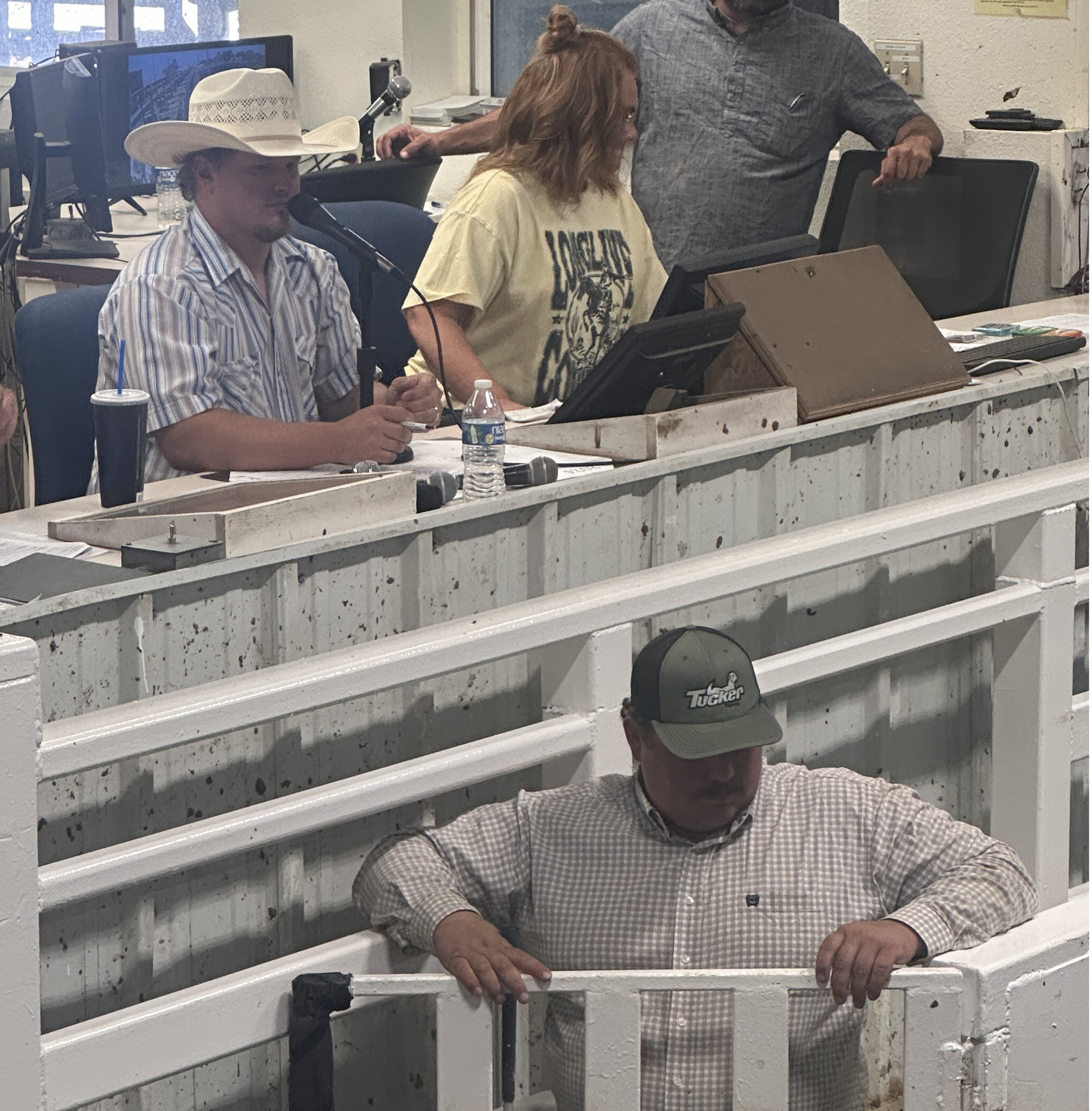
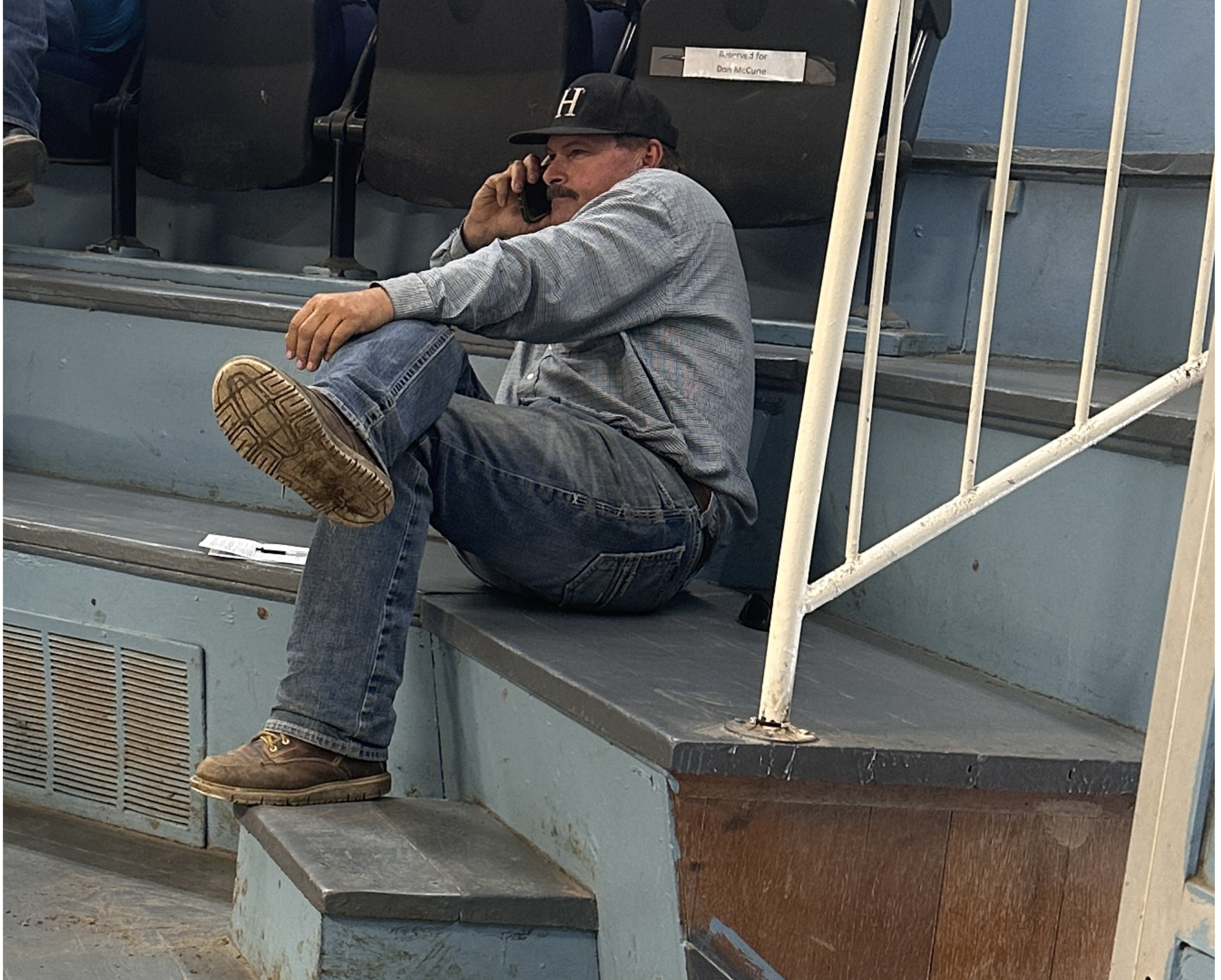
Auctioneer is
constantly active
Bidding for a client
Not all cows are black

Some Disconnected Bits

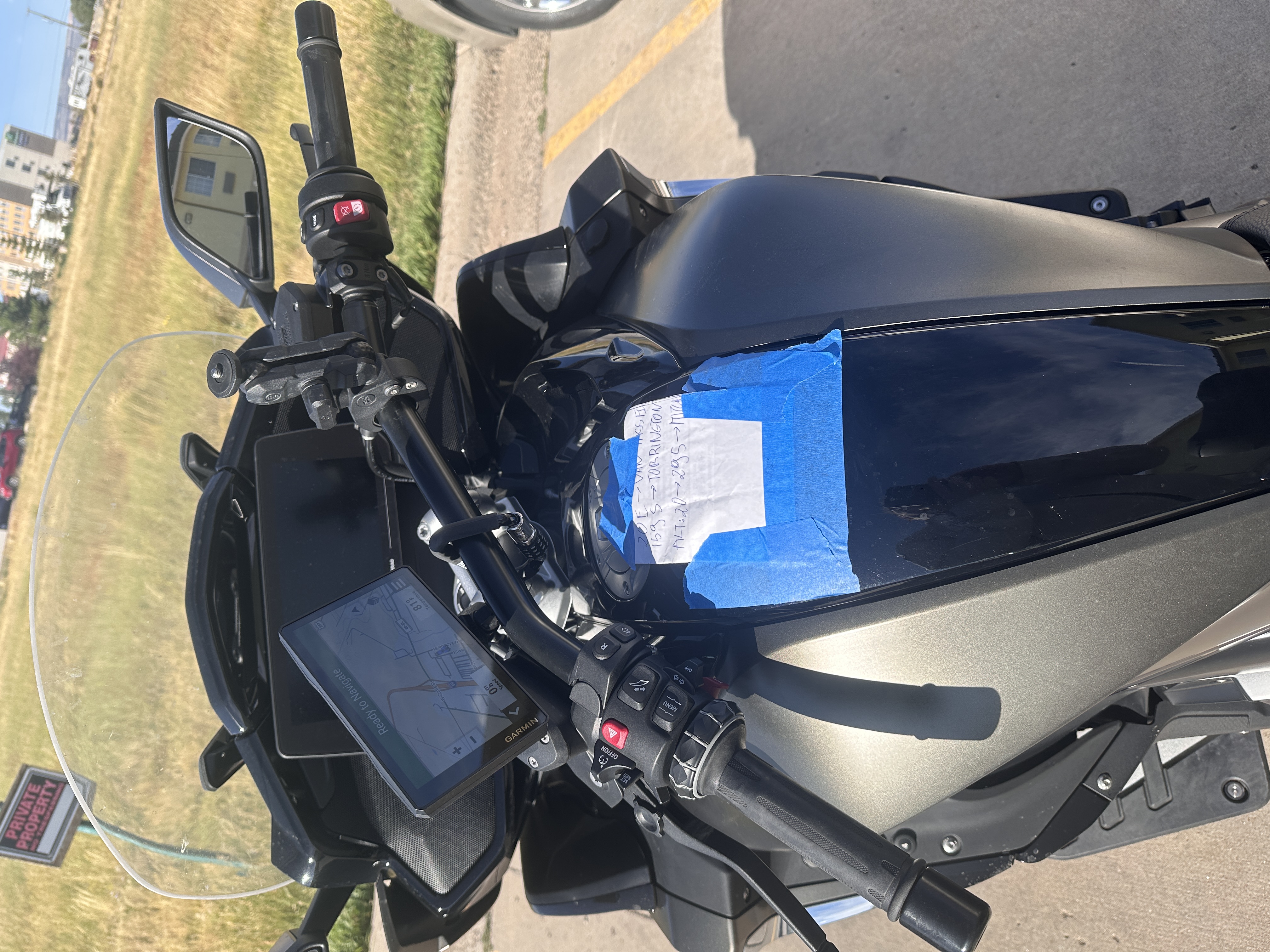
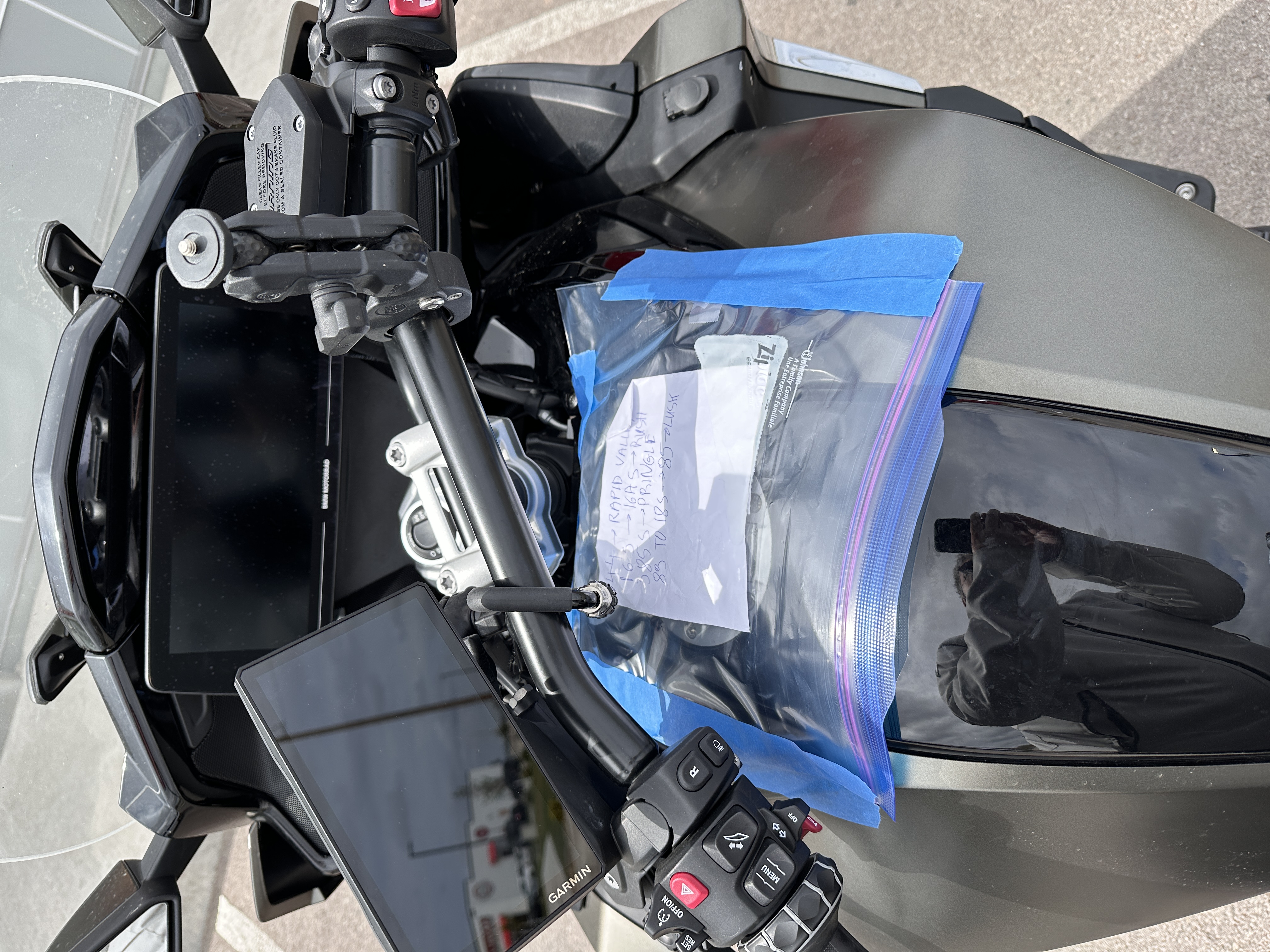
Always have physical navigation backup
Plus, a baggie for
torrential rain
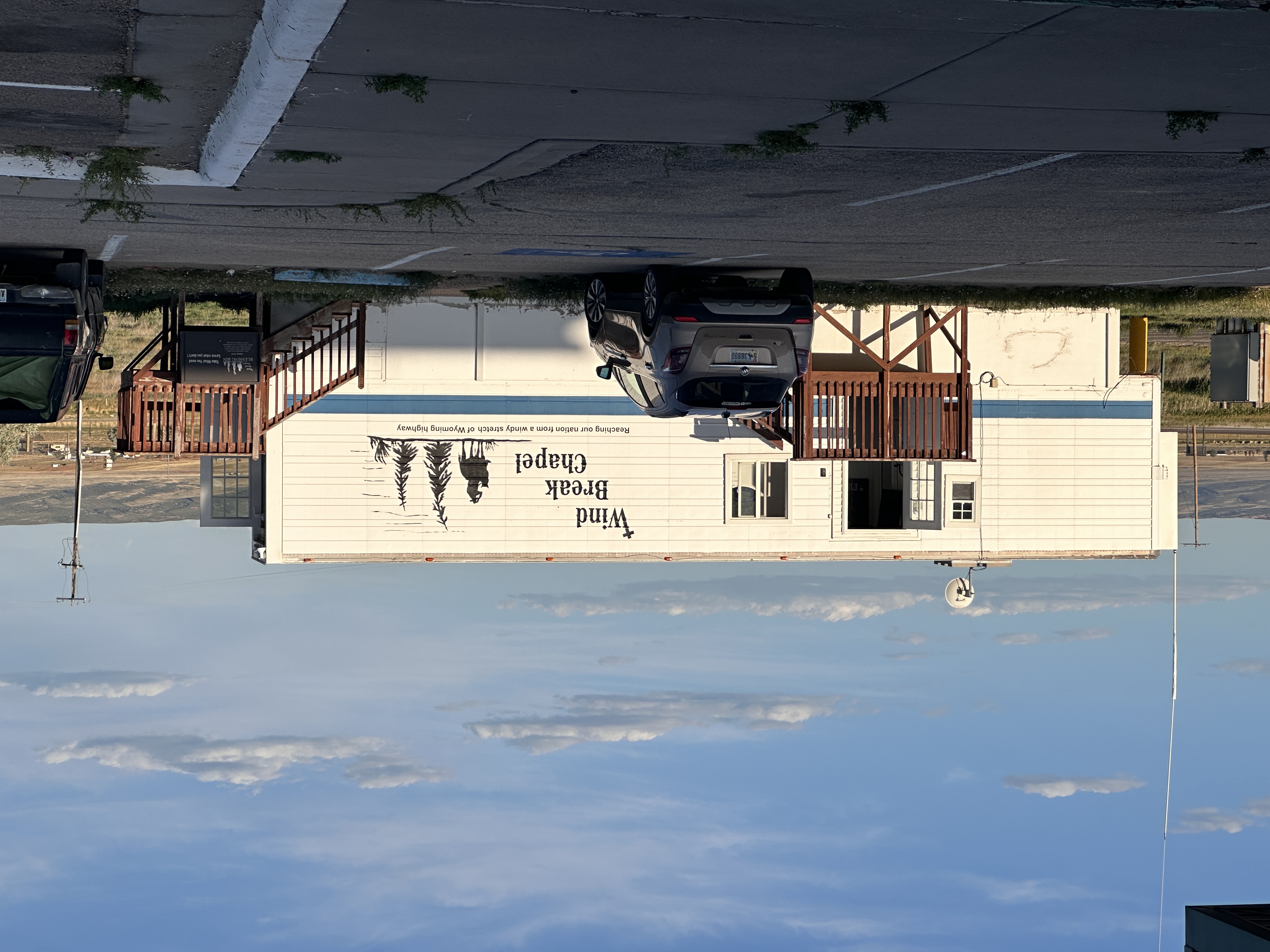
Not sure about this chapel…