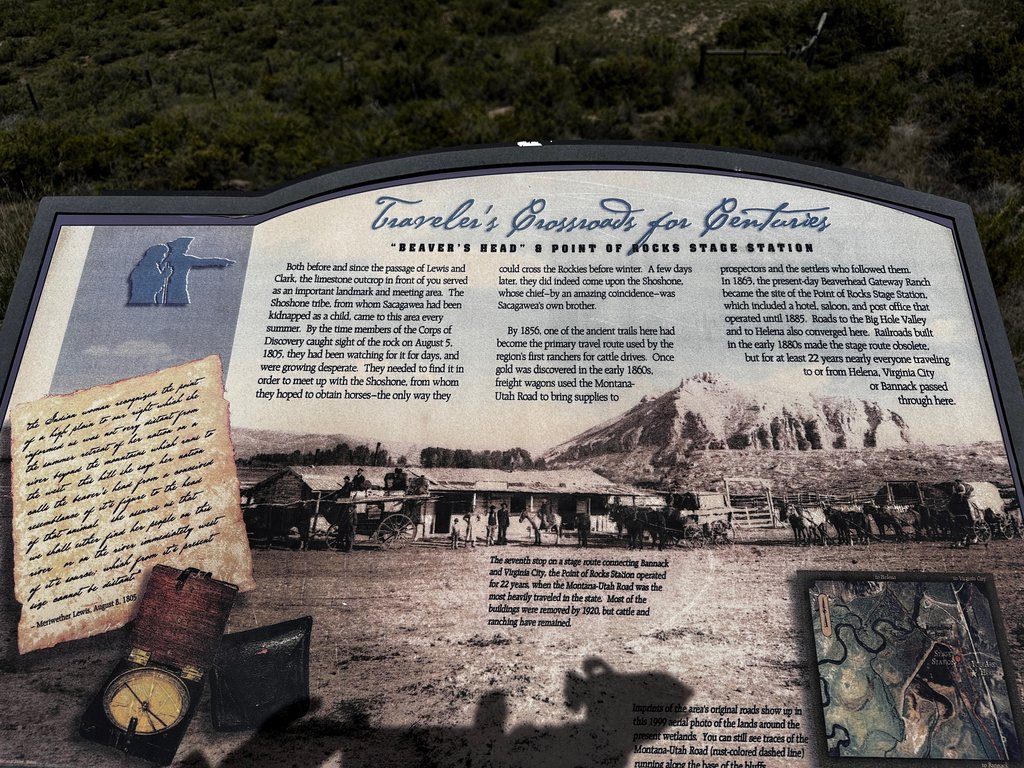
the Shoshone, Lewis & Clark,
and Sacagawea. Enlarge to read, if interested.
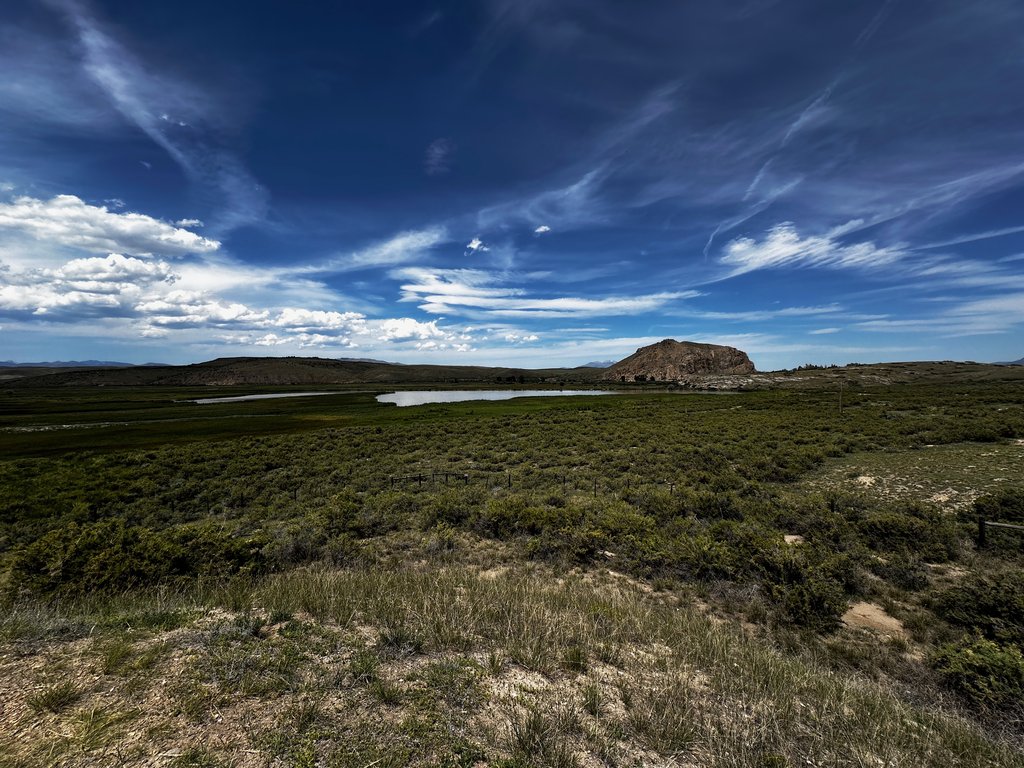

of years ago.
Jul 15, 2026
Should a mouse have one, two, or three buttons?
My veiled answer:
What's a mouse?
Just a very few years later, I watched my 4-year-old daughter grab the mouse on my computer with complete certainty. Navigating the cursor.
Yesterday our 4-year-old's grandmother reported that Milo had detailed questions about leprechauns.
Hearing her response that she didn't know the answer:
Why don't you ask Claude?
Who is Claude?
In complete competence:
It's something you can ask any question. It knows everything.
The Greatest Generation, The Digital Generation, The AI Generation. All the others are just noise in the generational progression.
This spot stands out.
the Shoshone, Lewis & Clark,
and Sacagawea. Enlarge to read, if interested.
of years ago.
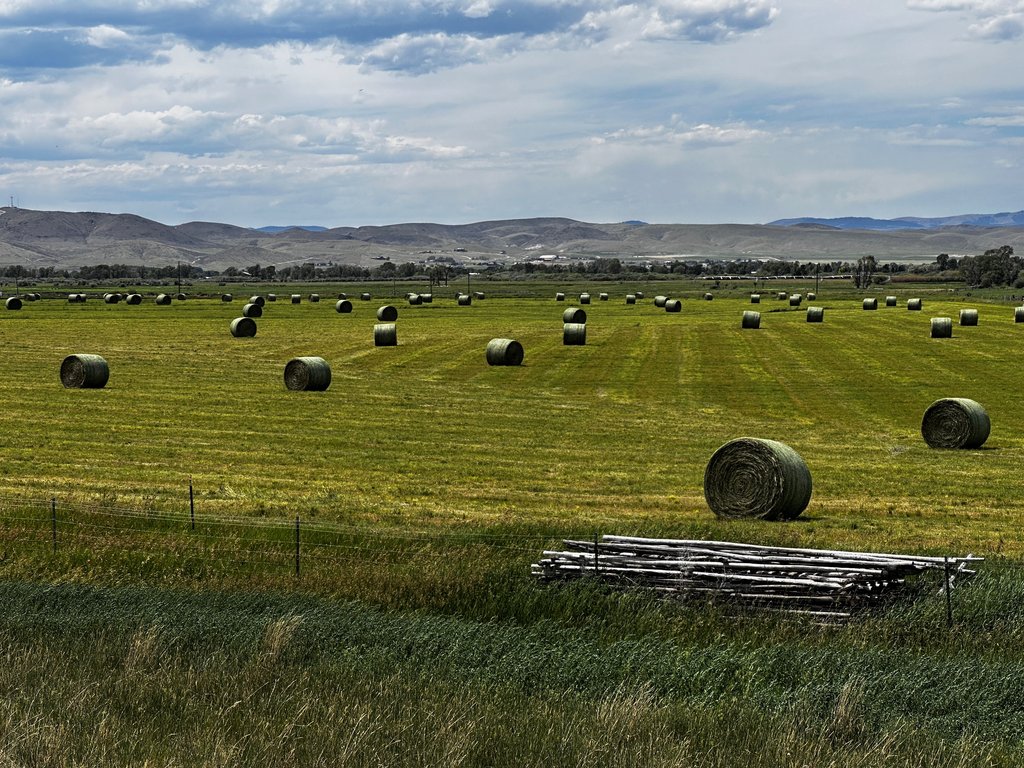
Riding through rolling landscape thousands of miles away I see the same pattern. It's time to make hay. Here as well. This realization is comforting.
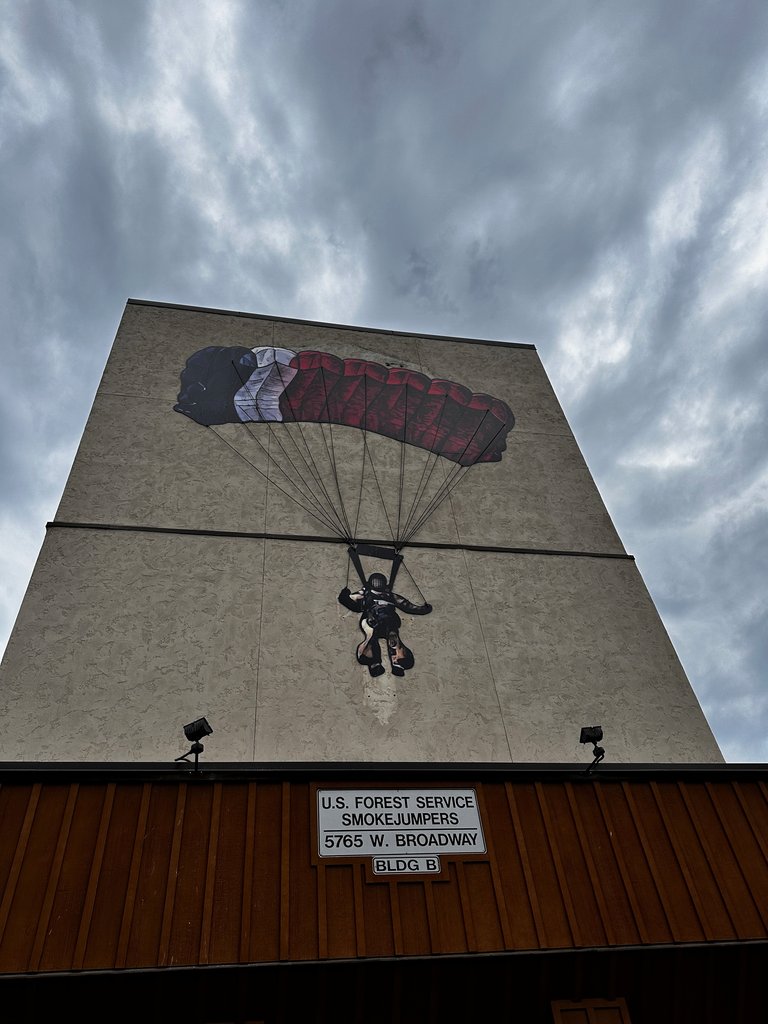

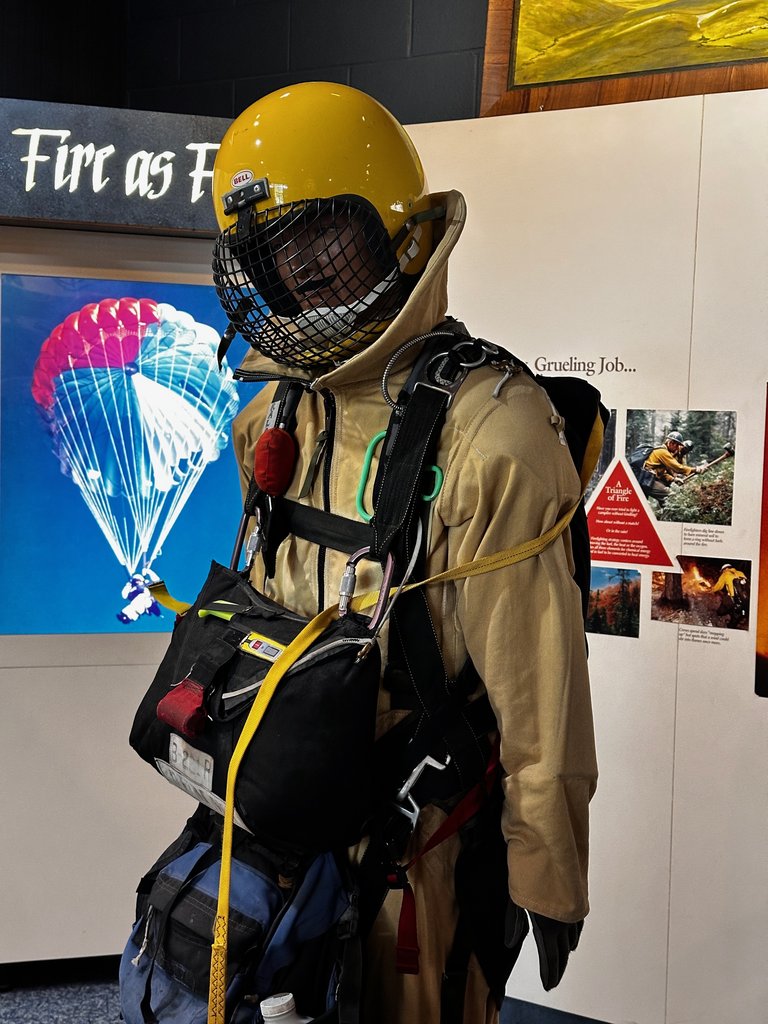
There are 400 to 600 individuals qualified to jump from airplanes into wildfires. They are distributed across nine centers across the Western States. Places like Redding, CA, West Yellowstone, MT, Redmond, OR.
They jump with three days supplies loaded onto their bodies. Food, water, pick axes, bear spray, emergency shelter, communications.

Once they land, hopefully in the designated spot, everything, including the parachute go into this ~100lb backpack.
For the case that they land in a tree, they carry ribbon rope from which they can construct a harness for rapelling down. They then climb back up to retrieve the parachute.
After they jump they must count for five seconds before pulling the main chute deployment cord. Two early, and the fabric is damaged by the aircraft. Two late, and the emergency chute triggers.
Two jumpers always deploy as a pair into the same landing spot. Sometimes this is all they have time for before having to make airspace room for tankers, retardent spray planes, and other related traffic. They may then loop back, and deploy another two jumpers.

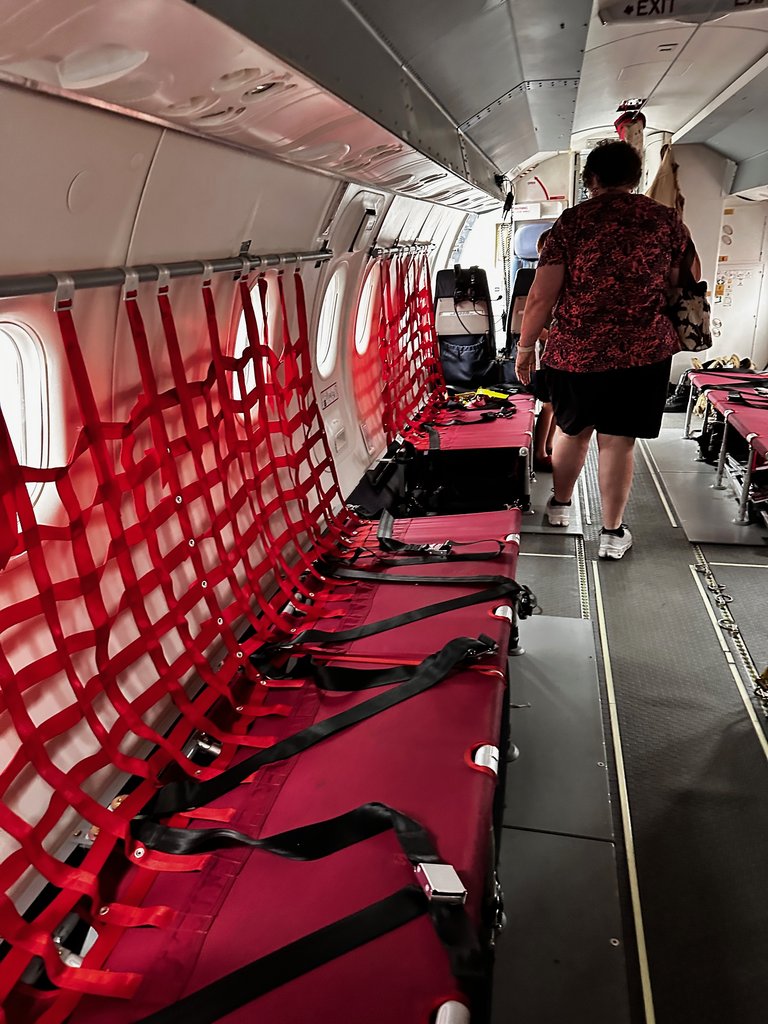
Two experienced personnel, spotters, in the plane find jumping spots, and evaluate the type and size of the fire. The jumpers themselves are already loaded in their seats, and nearly immobile. The spotters decide how many jumpers will be needed. Some may simply return home.
The two person exit is highly choreographed and practiced. Spotters yell their commands into the jumper's ears. As soon as the first is out, the second must take position, sitting on the floor, feet dangling outside.


The plane the Forest Service owns is older than the one shown here. The hotter the temperature, the fewer jumpers it can carry. The one shown is contracted, flown by a 25-year-old woman, and capable of flying into and though almost anything fully loaded.
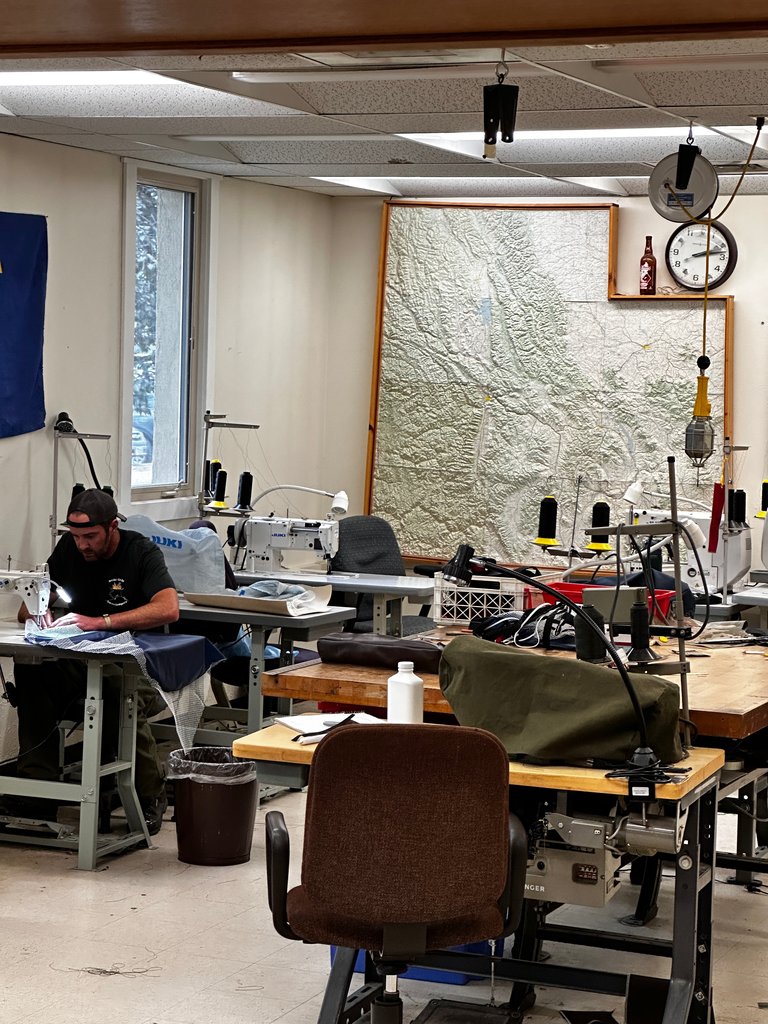
Parachutes used to be round, which was practical in that no skill was required of the jumper. The downside was that the jumper had no control during descent. Now they jump with rectangular chutes, which can be steered, sped up, slowed down to a great extent. The downside is that more skill is required.
The ceiling photo above illustrates that smoke jumping suffers from the same legacy problems as software. What is Cobol code in one environment is the pulley system hidden above that ceiling.
Nobody can figure out how the numbered activation switches on the wall lead to pulling of ropes with the corresponding number on the ceiling. You fix one, and another stops working. It's a mess. But it works sufficiently. Just like that Cobol accounting program from the mid seventies.

Parachute inspection includes the obvious, rips or burns. But also insects that would eat through the fabric.
Folding and packing is done by the jumpers. It takes around 15 packing attempts to learn how to do it. Obviously, supervision is intense.
Personnel parachutes are not the only ones in use. Others are for dropping jumper supplies, food, equipment.
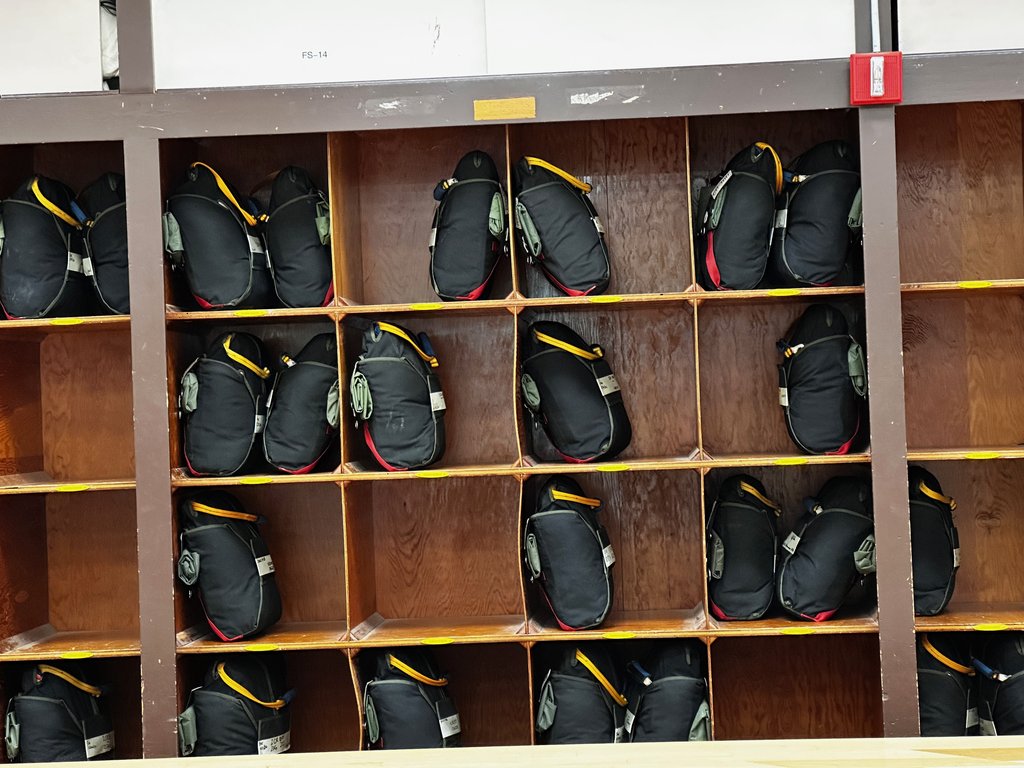
If any pack is discovered ill-folded, all the packs folded by that individual are pulled and inspected. I can't stand the embarrassment I feel even just imagining my having made such a mistake.
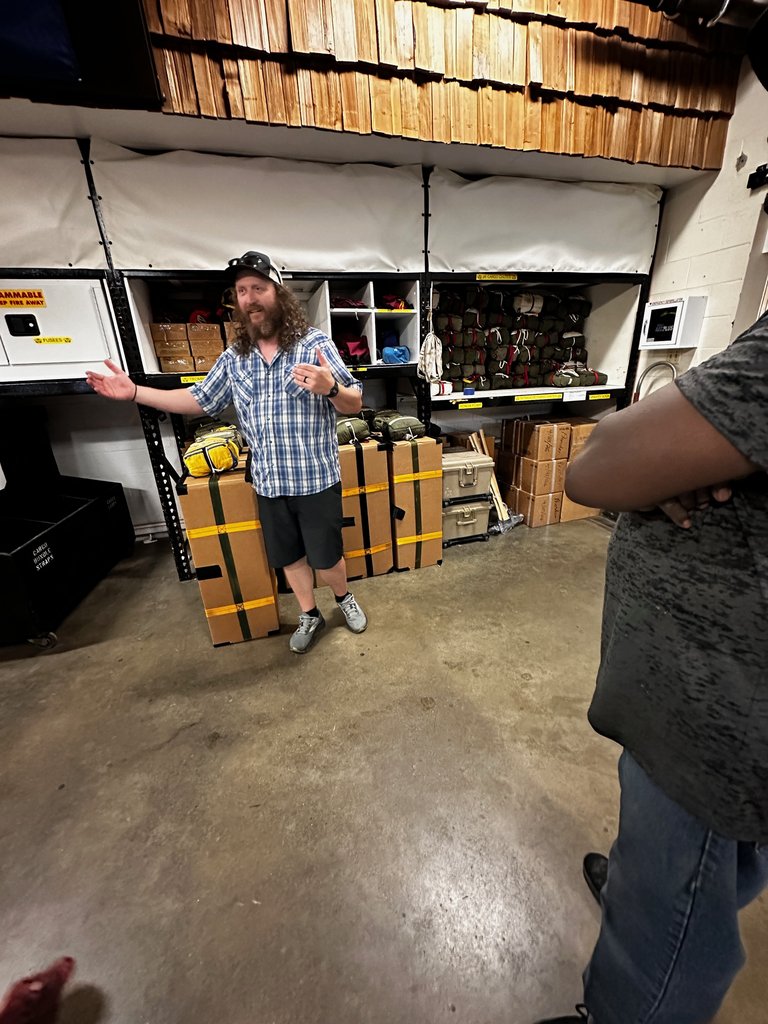
With some pride our jumper-guide explained that they can shove almost anything out of an airplane if the jumpers on the ground need it.
Generators, fuel, food, bear spray, chain saws. They are working on delivering electric bicyles. Every jumper is certified to wield a chainsaw. They wear chops that will stop a chainsaw from running through a thigh.
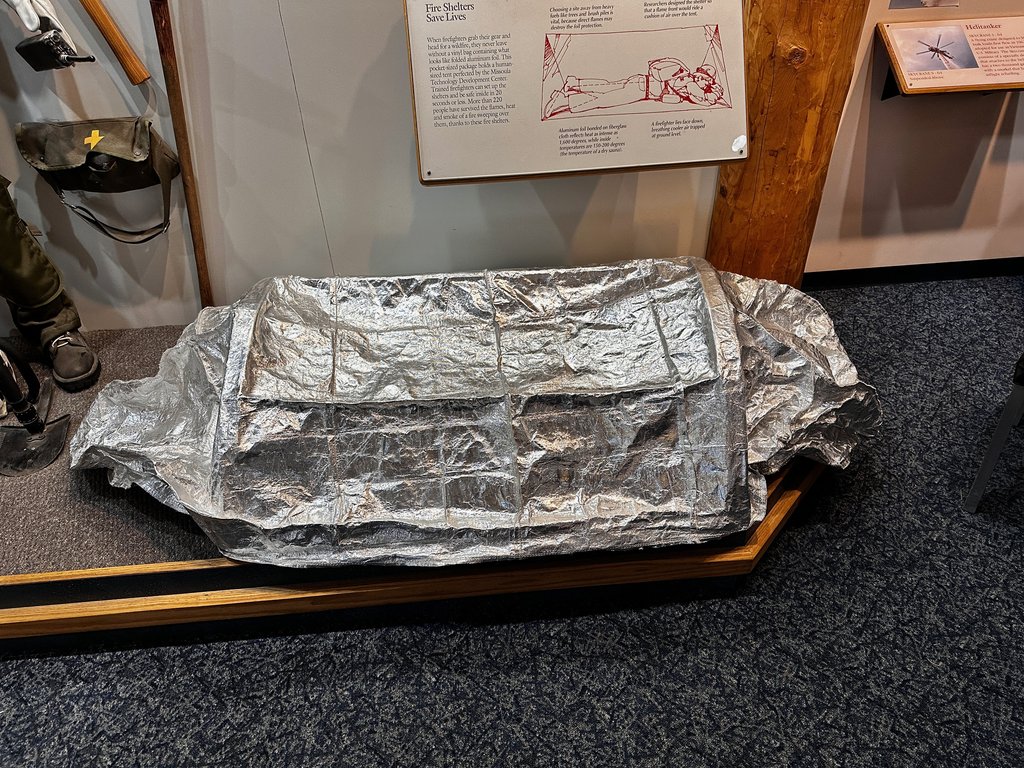
The survival shelter is not just a foil blanket. There are multiple layers, and other features. The jumper would lie on his belly, breathing the relatively cool air that thermodynamics will wash into the interior near the ground. The structure is designed to have the heat travel above it.
However, our guide explained, this is such a last resort that we would hear about in the news. There would be investigations. He never even had to contemplate using his.